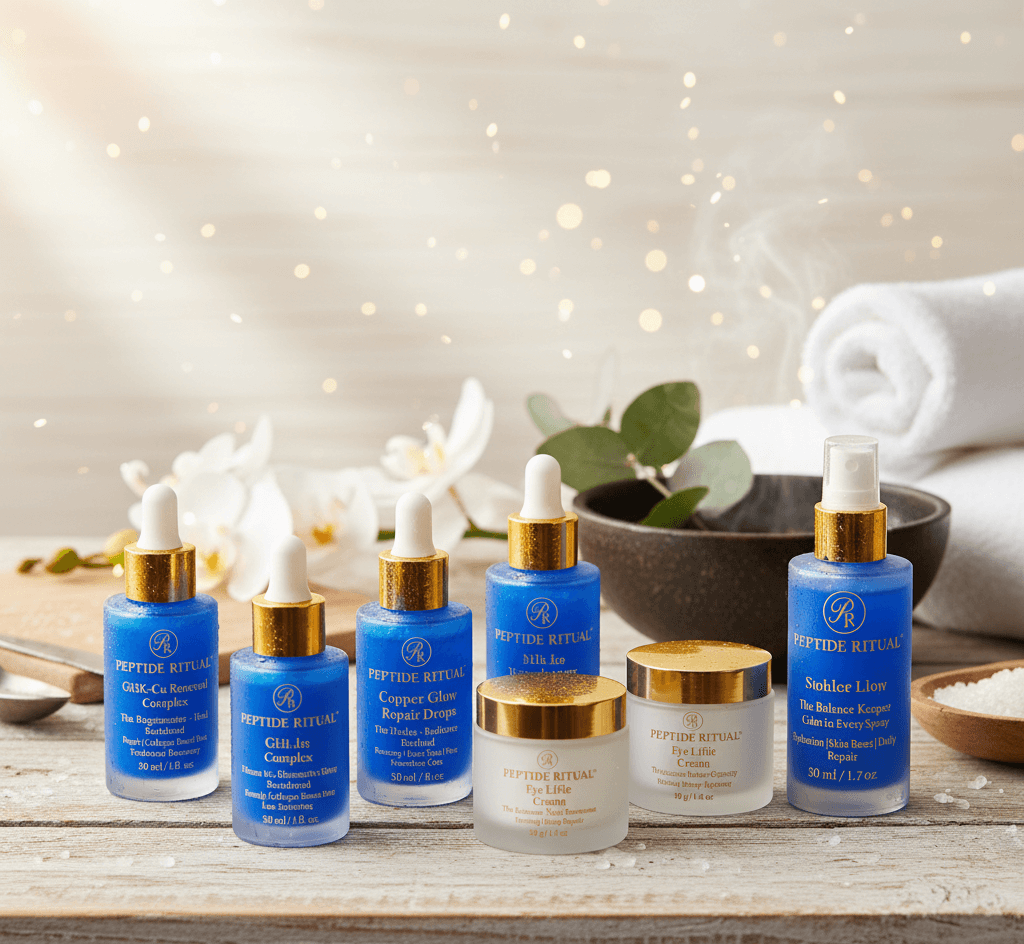
How Do Peptides Target Senescence?
Discover how peptides target “zombie cells” in skin research. Peptide

Discover how peptides target “zombie cells” in skin research. Peptide
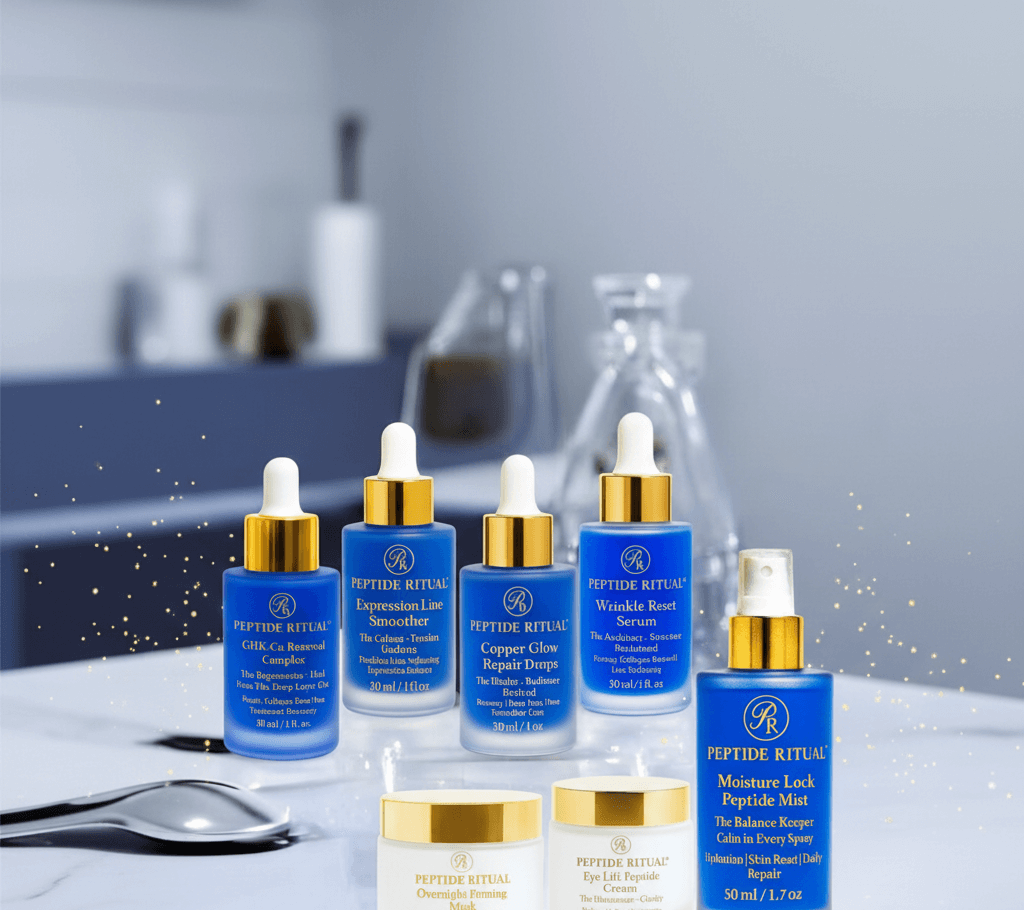
Explore how research peptides trigger collagen synthesis. Peptide Ritual provides
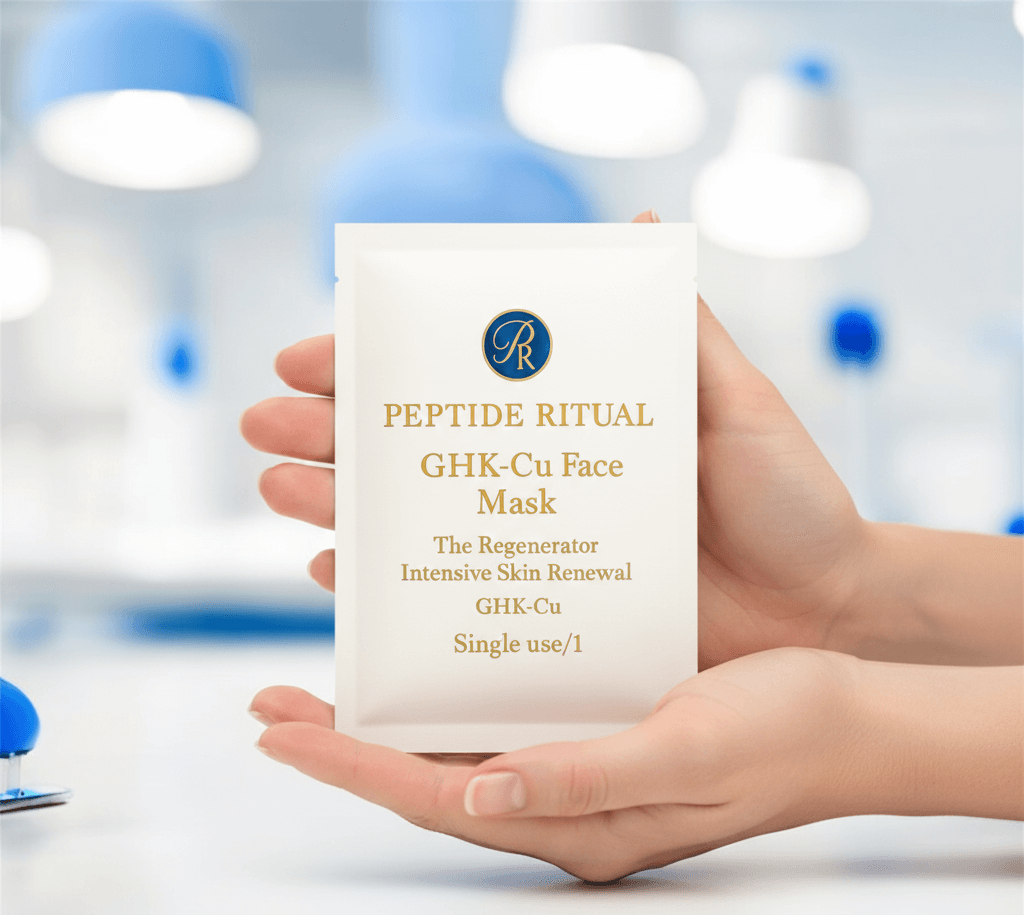
Analyze how GHK-Cu Overnight Mask™ functions to deliver copper peptides
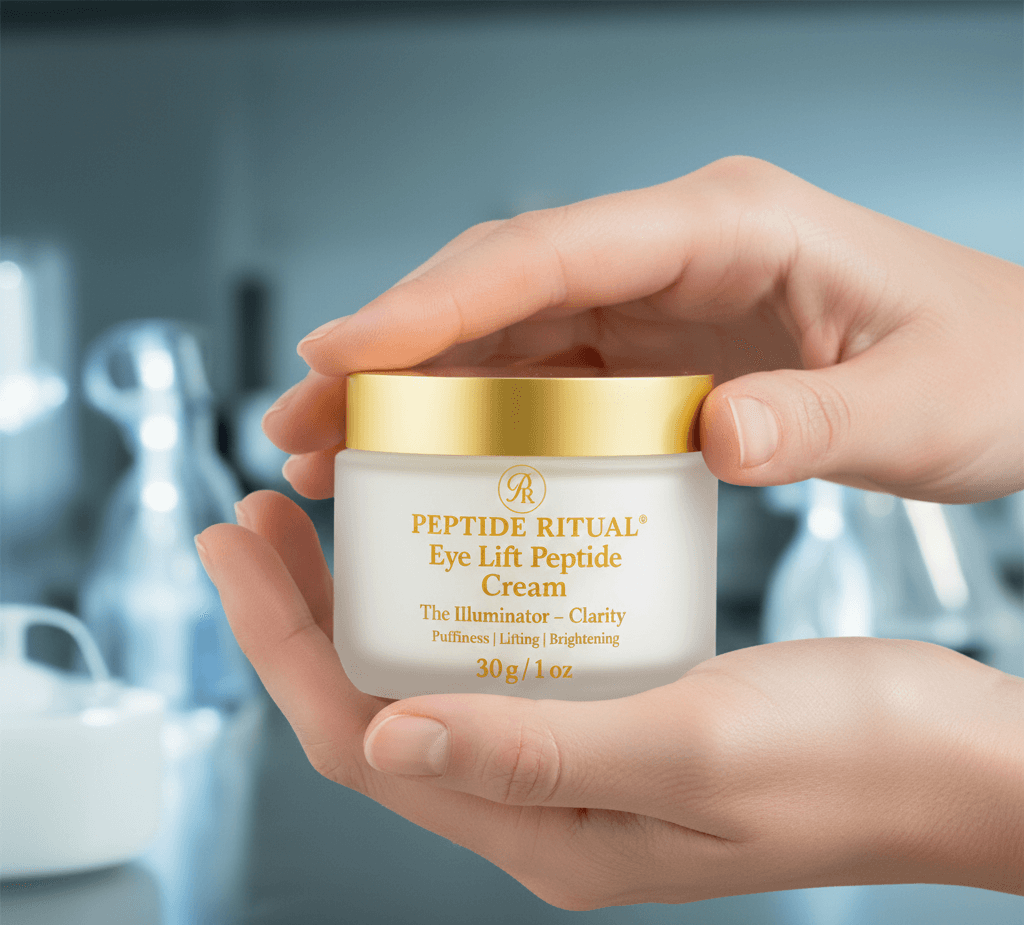
Examine how Eye Lift Cream™ functions at a molecular level
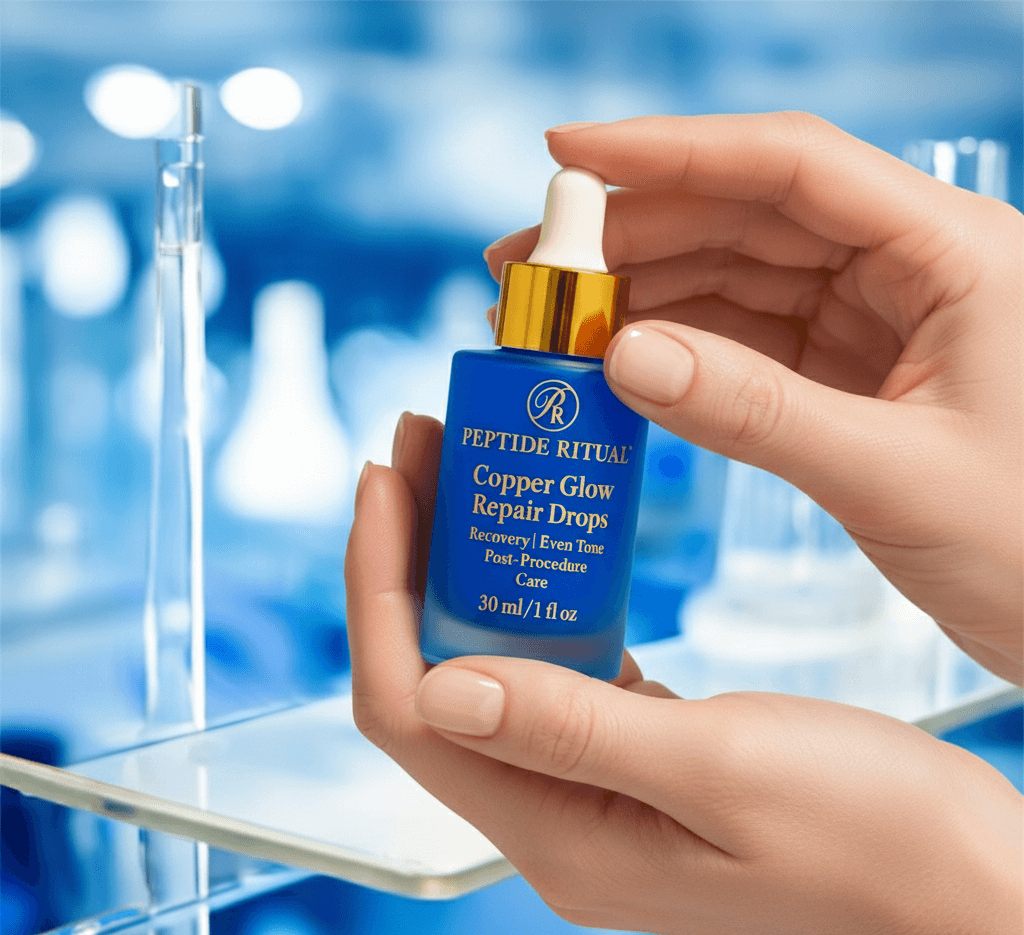
Revitalize tired skin with Copper Glow Drops. Use GHK-Cu to
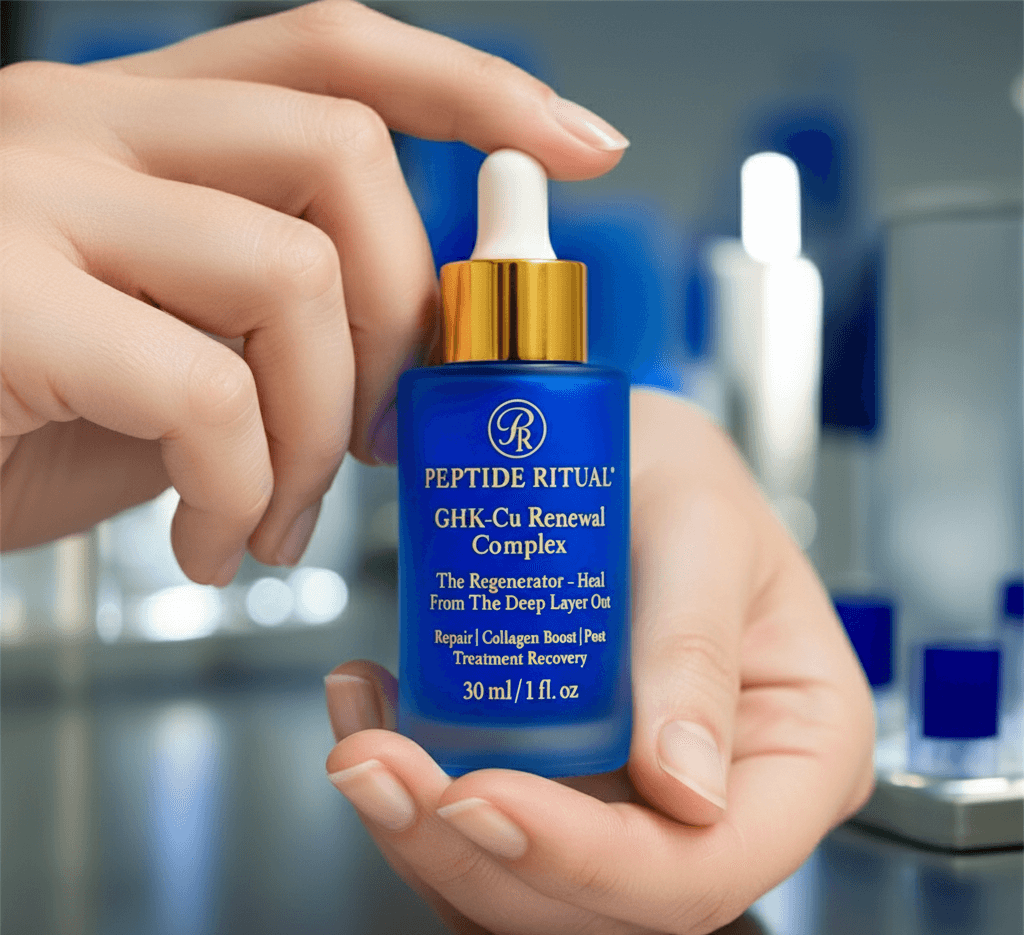
Explore the complete science of the GHK-Cu Renewal Complex. Discover
Ultimate Guide to Expression Line Smoother™ reveals the science, key
Discover the power of Wrinkle Reset Serum. Reduce fine lines,
Boost collagen and restore your glow with our Peptide Ritual
Get glowing skin, learn how peptides boost collagen, smooth wrinkles,
Discover how peptides target “zombie cells” in skin research. Peptide Ritual offers high purity compounds for studying cellular senescence.
Cellular senescence marks a permanent halt in cell division. Scientists often refer to these as “zombie cells.” Unlike healthy cells, senescent cells do not die or replicate. Instead, they remain metabolically active and change their behavior. Moreover, this transition acts as a natural defense against cancer by stopping damaged cells from multiplying. However, the accumulation of these cells over time drives the aging process in tissue research.
Researchers identify senescent cells by several key markers. Therefore, these cells typically show an enlarged and flattened shape. They also exhibit high levels of SA-β-galactosidase, a common enzyme used in laboratory staining. Additionally, the cell undergoes massive changes. It stops responding to growth signals and alters its gene expression.
Common triggers for research induced senescence include telomere attrition and oxidative stress. Therefore, the ends of chromosomes shorten until they trigger a damage response. Simultaneously, the accumulation of reactive oxygen species damages cellular structures. DNA damage from UV radiation or chemical stressors also breaks the genetic code.
In skin models, senescent cells do not simply sit idle. They actively degrade their environment. Moreover, they release a potent mix of inflammatory proteins known as the SASP. Due to this, secretory phenotype breaks down collagen and ruins the extracellular matrix. Additionally, researchers at Peptide Ritual study how to stop this destructive cycle. By understanding senescence, scientists can develop ways to maintain tissue integrity and promote a youthful cellular environment.

Senescent cells do more than just stop growing. They actively damage the surrounding skin architecture. In research environments, scientists observe how these “zombie cells” pollute the local tissue. This pollution creates a domino effect that accelerates visible decline. Healthy skin relies on a strong extracellular matrix (ECM) consisting of collagen, elastin, and hyaluronic acid. Senescent cells secrete destructive enzymes called matrix metalloproteinases (MMPs). These enzymes shred existing collagen fibers and prevent the synthesis of new elastin. This process thins the dermal layer significantly in tissue models.
Senescent cells also emit a constant stream of inflammatory signals. This chemical mix, known as the SASP, acts like a toxic alarm. It alerts the immune system, but the “zombie cells” do not leave the area. Instead, the persistent inflammation damages nearby healthy cells. This environment creates a cycle of chronic irritation that weakens the skin’s barrier.
In laboratory trials, high concentrations of senescent cells slow down wound healing. These cells occupy vital space but provide no structural support. They block healthy cells from migrating to damaged areas. Consequently, the skin loses its ability to bounce back from environmental stressors or UV exposure. Peptide Ritual provides the tools to study these interactions. Researchers use our peptides to observe how reducing these “zombie” signals preserves the skin’s structural framework.

Senolytic peptides represent a precision tool in modern research. These compounds specifically target the survival mechanisms of “zombie cells.” Most cells undergo a natural death process when they become impaired. Senescent cells, however, activate “pro survival” pathways to avoid this fate. They become resistant to the signals that normally clear away faulty tissue. Senolytic peptides work by disrupting these specific defense signals.
Researchers often focus on the FOXO4-p53 connection. In a healthy cell, the p53 protein triggers cell death if the damage is too great. In a senescent cell, the FOXO4 protein binds to p53 and prevents it from doing its job. This “hostage” situation keeps the damaged cell alive indefinitely. A senolytic peptide, such as FOXO4-DRI, mimics the binding site and pulls FOXO4 away. This release allows p53 to move into the mitochondria and finish the process of induced cell death.
Scientists also study peptides that target the BCL-2 family of proteins. These proteins act as a shield against cellular self disintegration. Senolytic peptides can bypass these shields to trigger apoptosis selectively. This precision is vital for laboratory research. It ensures the study focuses only on removing dysfunctional cells while leaving healthy, expanding cells untouched.
This selective elimination creates space for healthy cells to flourish. Scientists observe a significant improvement in the overall vitality of the tissue sample once the senescent burden drops. Peptide Ritual ensures that researchers have access to pure senolytic sequences for these critical studies. By removing the source of inflammation at the cellular level, these peptides offer a revolutionary way to study tissue revitalization.
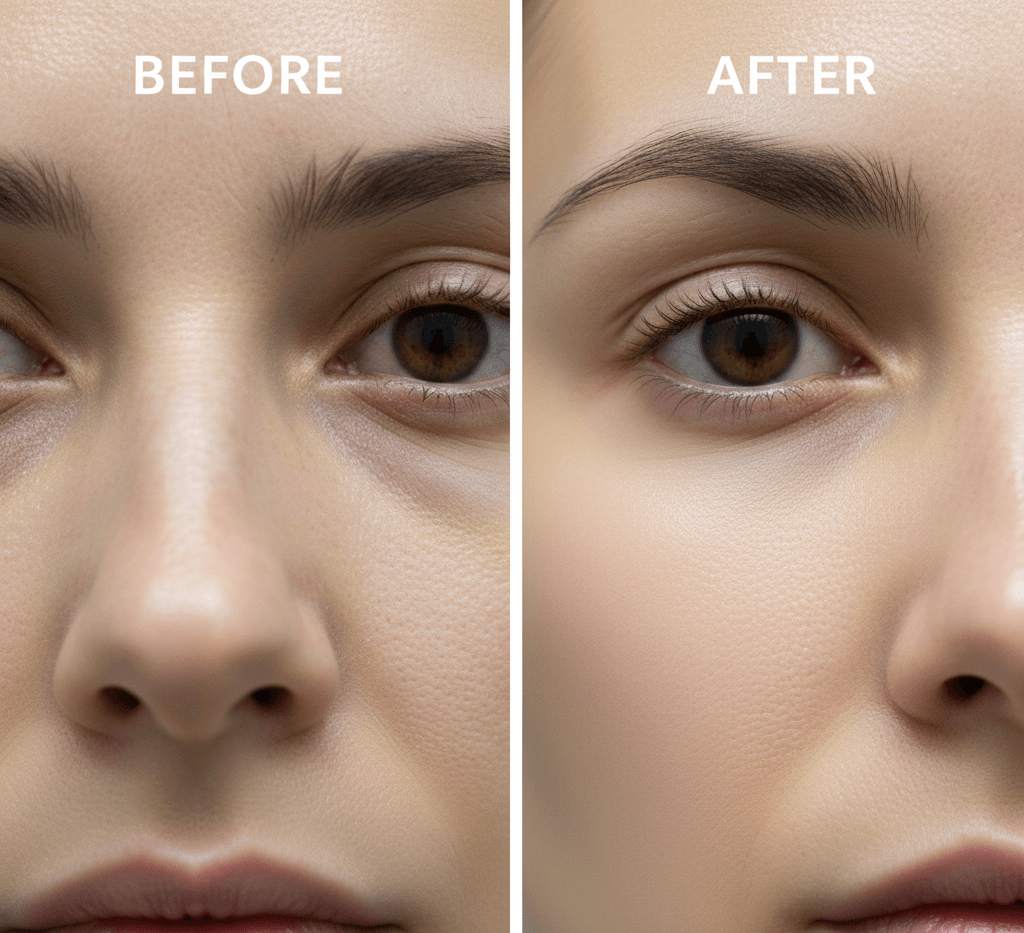
Senomorphic peptides offer a different strategy for managing “zombie cells” in laboratory models. Unlike senolytics, these compounds do not kill the cell. Instead, they suppress the harmful characteristics of the senescent state. Researchers use these peptides to target the SASP directly. By blocking the inflammatory pathways, senomorphics prevent the “zombie cell” from sending out toxic signals to its neighbors.
These peptides typically work by interfering with specific signaling molecules like NF-κB or mTOR. These molecules act as the control centers for inflammation within the cell. When a senomorphic peptide modulates these pathways, the cell remains in its non dividing state but stops destroying the surrounding collagen. Scientists observe a significant reduction in tissue degradation when using these compounds in skin research studies.
This approach is particularly valuable for studying prolonged term tissue stability. By turning off the “inflammatory alarm,” researchers can protect the integrity of the extracellular matrix without causing mass cellular turnover. Peptide Ritual provides high stability senomorphic peptides for precise investigative work. These tools allow scientists to explore how “quieting” damaged cells can preserve a youthful environment in complex tissue cultures.
Peptide stability remains a significant hurdle in laboratory research. These molecules are inherently sensitive to environmental factors like temperature, pH levels, and light. Peptide Ritual provides lyophilized compounds that offer a stable starting point for every study.
Temperature fluctuations often lead to the denaturation of delicate amino acid chains. Consequently, researchers must maintain a strict cold chain during storage and handling. Furthermore, moisture can trigger hydrolysis, which breaks the peptide bonds and renders the sample useless.
In addition, the choice of buffer influences the longevity of the peptide in solution. Scientists often prefer sterile, oxygen free environments to prevent oxidation. Moreover, adding protease inhibitors to the medium helps protect the peptide from enzymatic breakdown during long term incubation.
However, stability also depends on the specific chemical modifications of the peptide. Some research sequences include “capping” at the ends to resist degradation. Thus, sourcing from Peptide Ritual ensures you receive peptides designed for maximum durability in various experimental conditions.
Choosing a supplier for laboratory research requires careful consideration. Therefore, the success of any cellular study depends on the quality of the raw materials. Peptide Ritual understands the rigorous demands of modern science. Similarly, we focus on providing high purity compounds that deliver consistent and verifiable results.
Accurate research requires peptides free from contaminants. Even minor impurities can interfere with cellular signaling or cause unintended inflammatory responses. Beside, we prioritize high performance liquid chromatography (HPLC) testing for every batch. This process ensures that our research grade peptides meet or exceed a 98% purity threshold.
Peptides are delicate molecules. They can degrade quickly if they are not synthesized and stored correctly. Additionally, Peptide Ritual utilizes advanced synthesis protocols to preserve the structural stability of each chain. We ensure that our peptides remain bioactive throughout the duration of your study.
Trust is built on transparency. Every product from Peptide Ritual comes with a comprehensive Certificate of Analysis (COA). Therefore, this document includes the mass spectrometry results and HPLC chromatograms for that specific lot. We provide the exact amino acid sequence and molecular weight for your records.
The study of cellular senescence and tissue repair is a rapidly expanding field. As a result, Peptide Ritual actively monitors new scientific literature to expand our catalog with relevant, cutting edge sequences. Specifically, we provide the tools that allow scientists to push the boundaries of dermatological science. By choosing our research grade peptides, you gain a partner dedicated to the success of your laboratory goals.

Q. How should I store research peptides?
Store lyophilized (powder) peptides in a cool, dark place. For short term use, keep them at 4°C. For long term preservation, store them at -20°C or -80°C. Avoid light exposure and moisture to prevent degradation.
Q. Why is peptide purity critical for research?
Purity ensures that experimental results remain accurate. Contaminants can interfere with cellular signals or cause unintended reactions. Peptide Ritual provides compounds with a purity level of 98% or higher to guarantee reliable data.
Q. How do I account for peptide “stickiness” in lab equipment?
Peptides are often “sticky” and can adhere to the plastic walls of microcentrifuge tubes or pipette tips (adsorption). To ensure accurate concentration in quantitative research, scientists use low protein binding tubes or pre coat surfaces with a non interfering protein like BSA.
Q. What is the shelf life of a reconstituted peptide?
Peptides in solution are less stable than powder forms. Most reconstituted peptides remain stable for several days at 4°C. However, researchers should use them within 24 hours for optimal bioactivity.
Targeting cellular senescence represents a major shift in dermatological studies. Rather than merely masking the signs of aging, researchers now look to repair the cellular environment itself. Senolytic and senomorphic peptides provide the precision necessary to influence these complex biological pathways. By removing or silencing “zombie cells,” scientists can observe firsthand how tissue maintains its structural integrity.
Peptide Ritual remains dedicated to supporting these scientific breakthroughs. Similarly, we provide the high purity, research grade compounds required for rigorous laboratory analysis. Besides, as the understanding of cellular longevity grows, our products ensure that researchers have the reliable tools they need to explore the future of skin science.
Research Notice: All products mentioned are intended strictly for research purposes and laboratory analysis.
Ready to elevate your laboratory studies? Explore our premium selection of senolytic and senomorphic compounds. Moreover, Peptide Ritual provides the purity and precision your data deserves.
Create a lasting ritual of scientific excellence with our high standard research materials. Aditionally, we support your breakthroughs by offering complimentary shipping on all orders over $200.
PeptideResearch, CellularSenescence
SenolyticPeptides, PeptideRitual
Discover how peptides target “zombie cells” in skin research. Peptide
Explore how research peptides trigger collagen synthesis. Peptide Ritual provides
Analyze how GHK-Cu Overnight Mask™ functions to deliver copper peptides
Examine how Eye Lift Cream™ functions at a molecular level
Revitalize tired skin with Copper Glow Drops. Use GHK-Cu to
Explore the complete science of the GHK-Cu Renewal Complex. Discover
Ultimate Guide to Expression Line Smoother™ reveals the science, key
Discover the power of Wrinkle Reset Serum. Reduce fine lines,
Boost collagen and restore your glow with our Peptide Ritual
Get glowing skin, learn how peptides boost collagen, smooth wrinkles,
Join our community for exclusive offers, early access, and peptide insights.