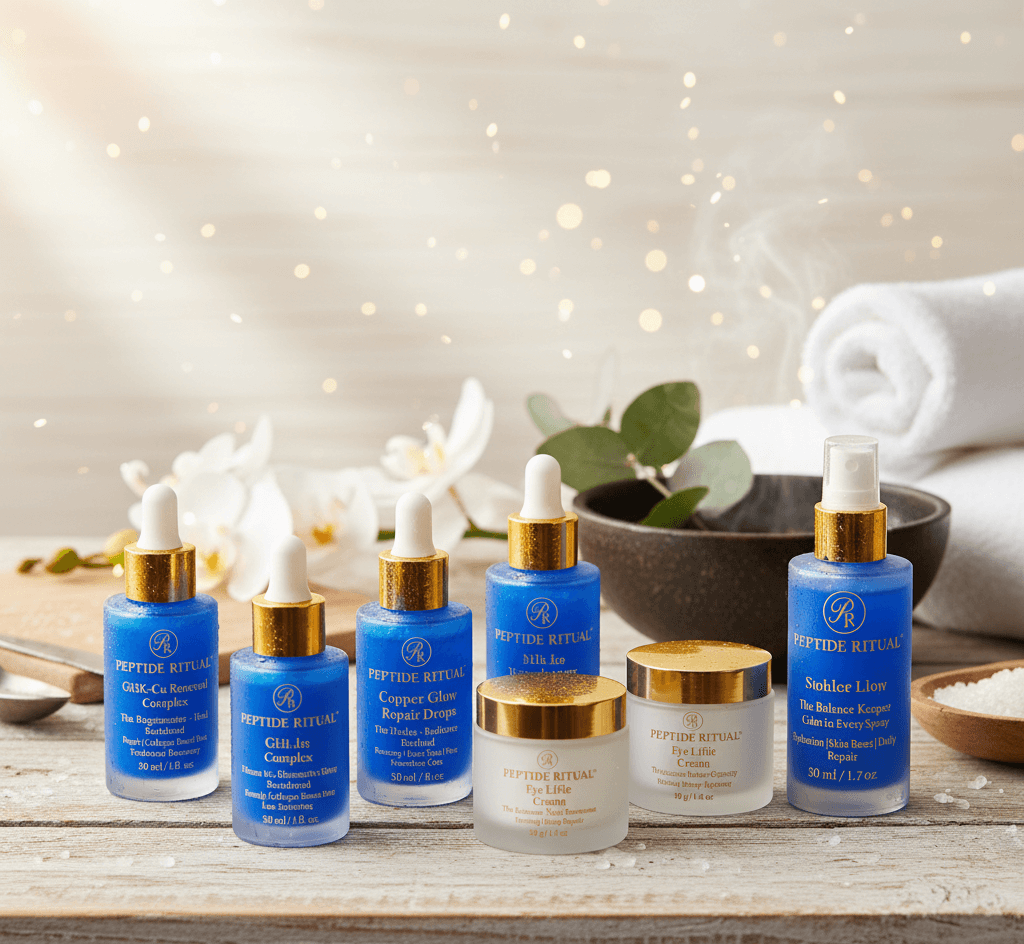
How Do Peptides Target Senescence?
Discover how peptides target “zombie cells” in skin research. Peptide

Discover how peptides target “zombie cells” in skin research. Peptide
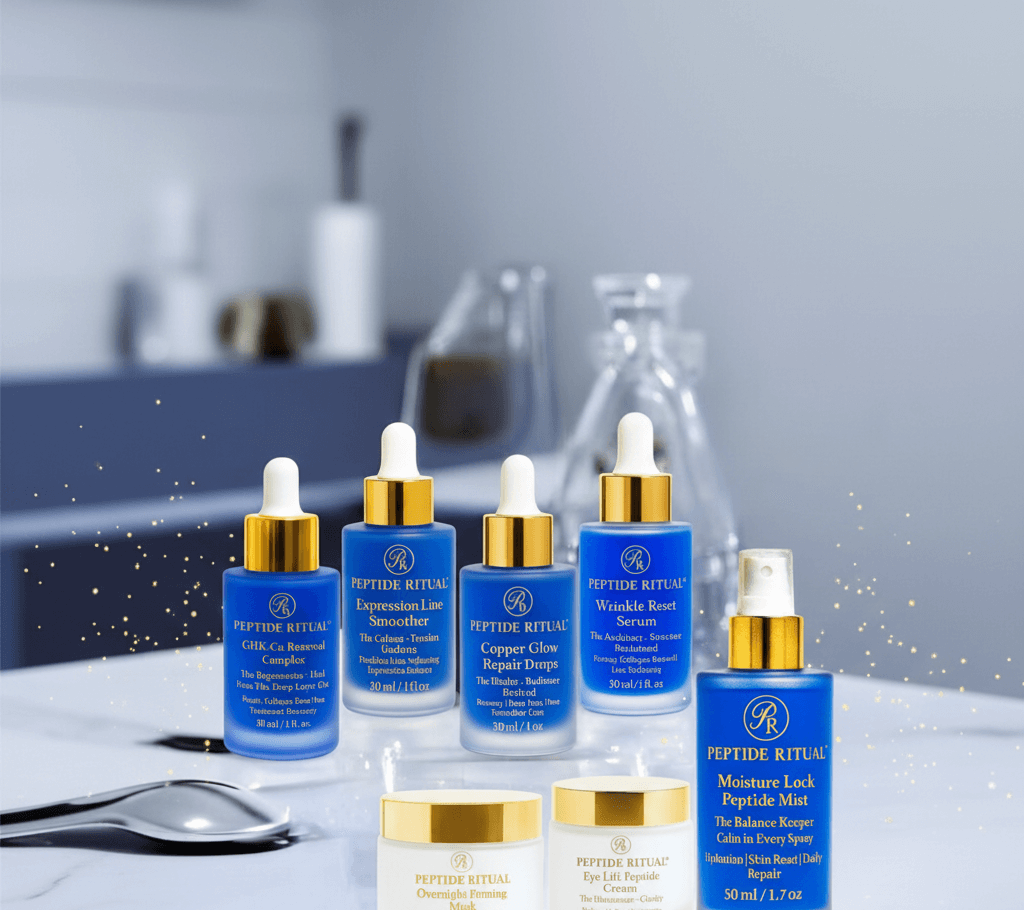
Explore how research peptides trigger collagen synthesis. Peptide Ritual provides
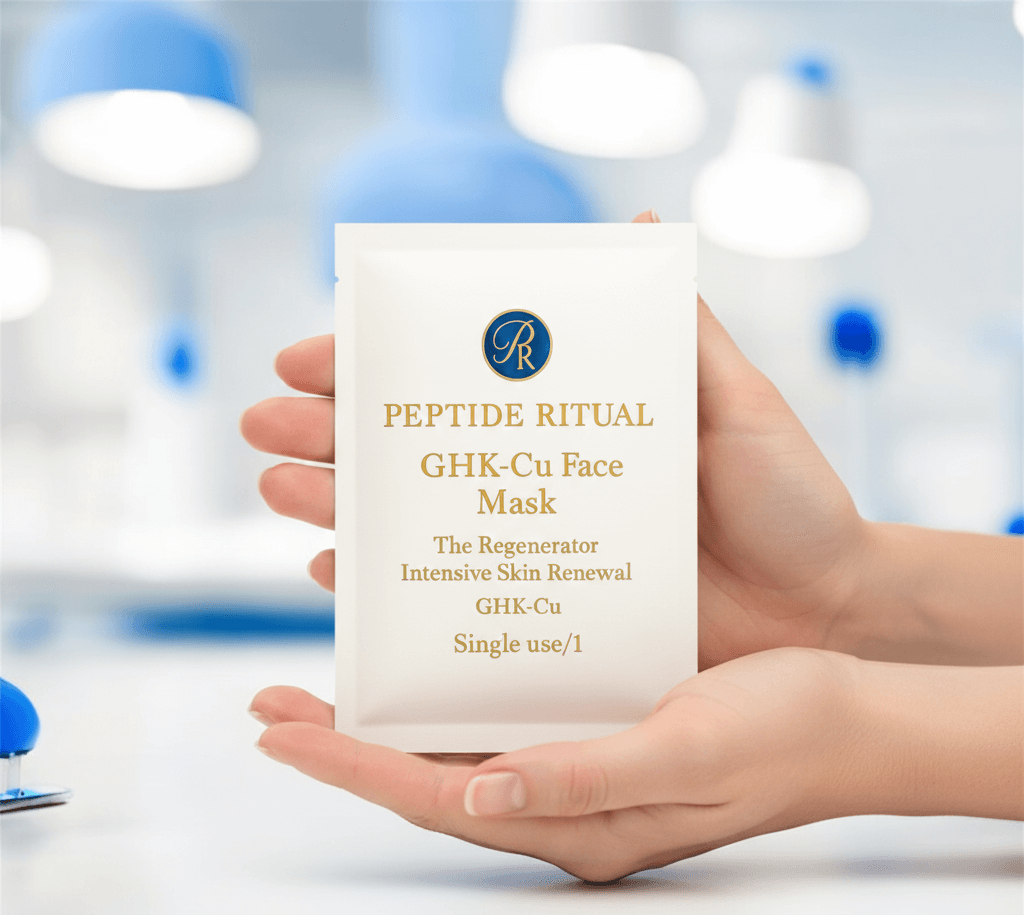
Analyze how GHK-Cu Overnight Mask™ functions to deliver copper peptides
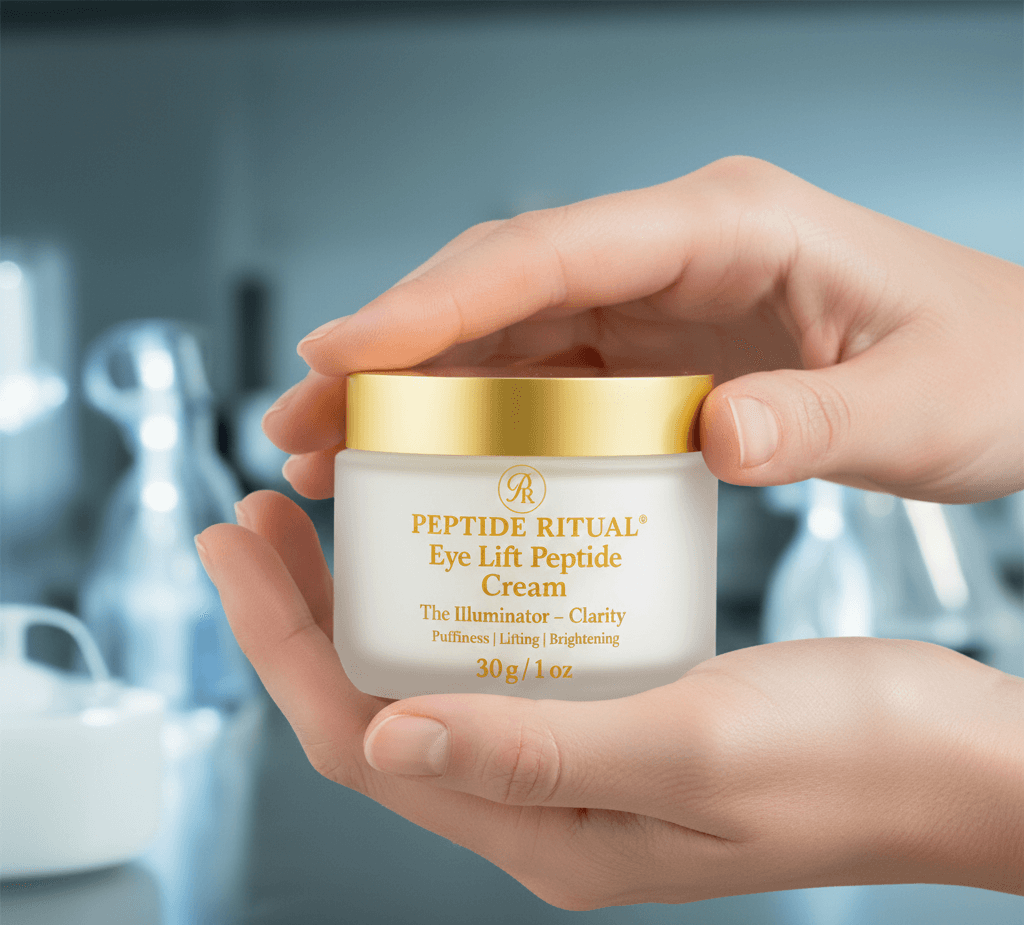
Examine how Eye Lift Cream™ functions at a molecular level
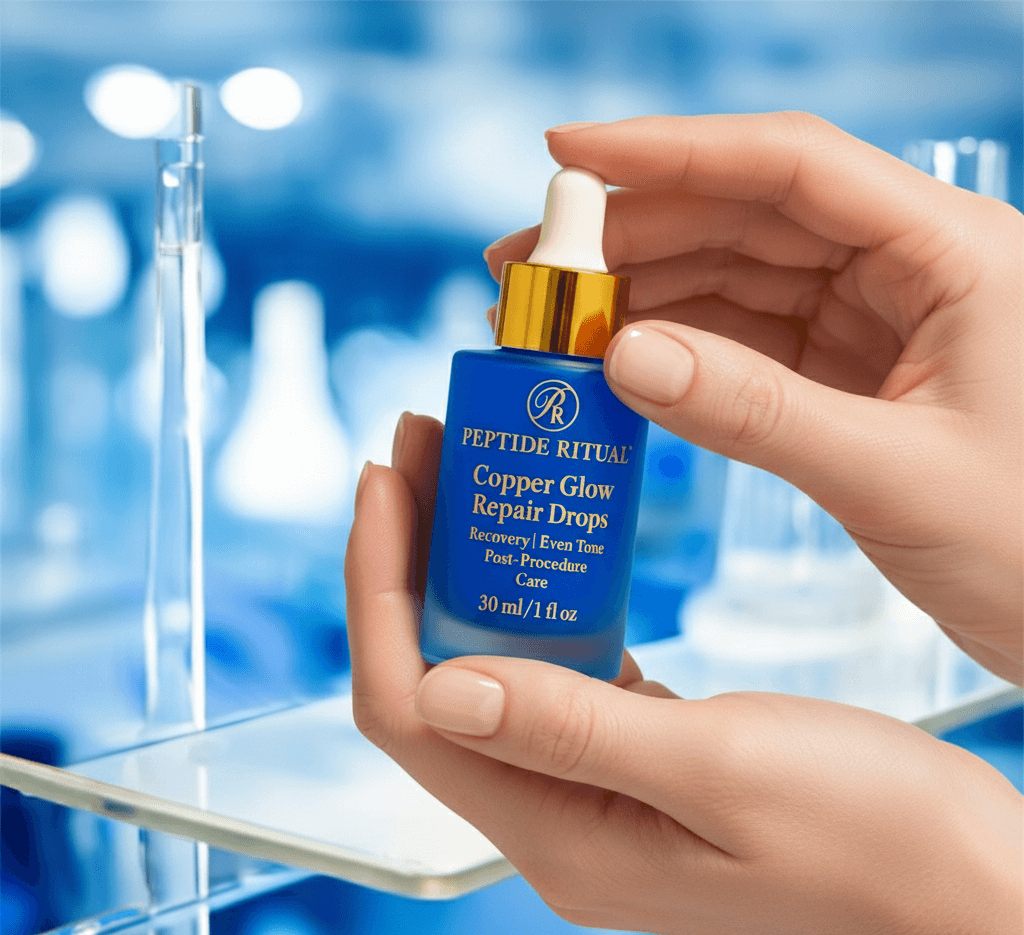
Revitalize tired skin with Copper Glow Drops. Use GHK-Cu to
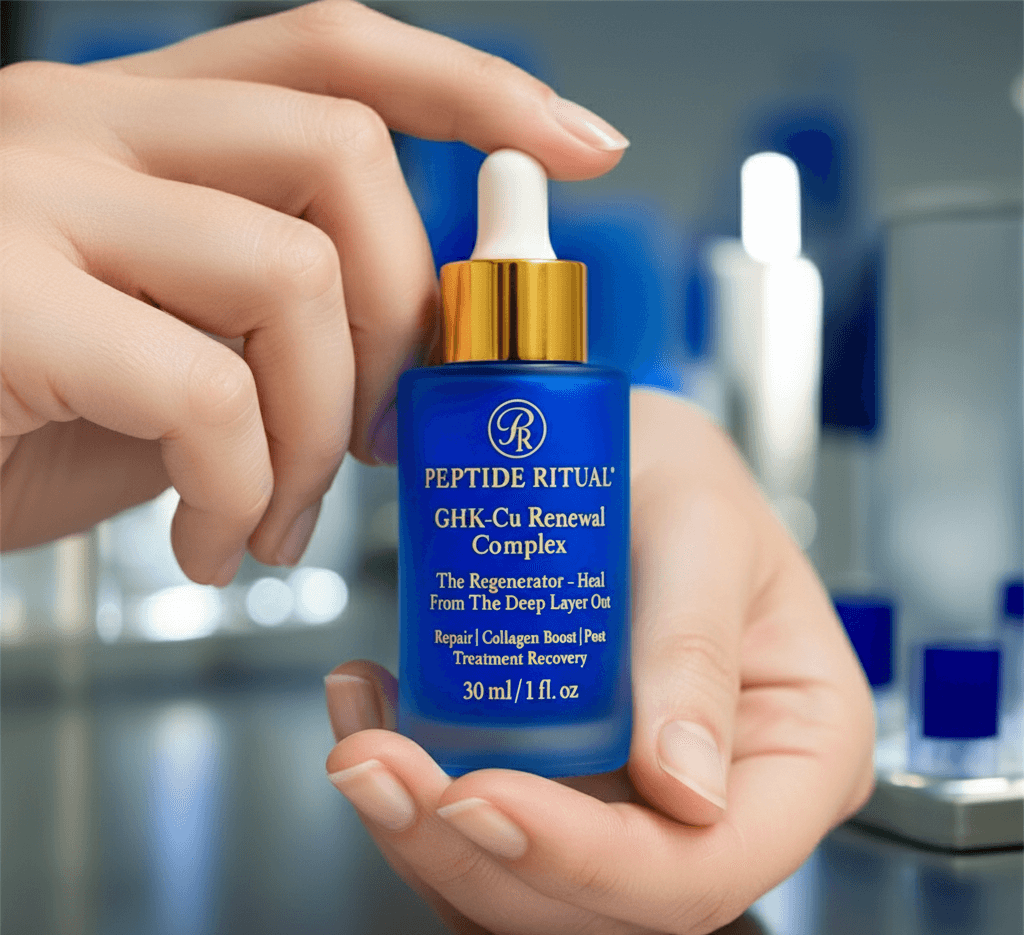
Explore the complete science of the GHK-Cu Renewal Complex. Discover
Ultimate Guide to Expression Line Smoother™ reveals the science, key
Discover the power of Wrinkle Reset Serum. Reduce fine lines,
Boost collagen and restore your glow with our Peptide Ritual
Get glowing skin, learn how peptides boost collagen, smooth wrinkles,
Analyze how GHK-Cu Overnight Mask™ functions to deliver copper peptides and support biochemical research into tissue repair and cell signaling.
The GHK-Cu complex represents a masterclass in molecular coordination and stability. This tripeptide consists of glycine, L-histidine, and L-lysine bound tightly to a copper(II) ion. Specifically, its high binding affinity ensures the copper remains bioavailable for various enzymatic investigations. Therefore, researchers value this specific treatment for its unique ability to modulate cellular pathways.
Molecular stability defines the effectiveness of GHK-Cu in a controlled laboratory setting. Due to which the complex remains structurally intact at a variety of physiological pH levels. This resilience allows scientists to observe long term interactions alongwith complex biological models. Therefore, high purity samples ensure that every experiment yields consistent and reproducible data.
Advanced research highlights how GHK-Cu influences gene expression at the transcriptomic level. Especially the complex interacts with specific receptors to trigger a cascade of intracellular signaling events. These signals often lead to the upregulation of antioxidant enzymes and collagen related genes. Also such properties make it a key component in the study of tissue regeneration and cellular longevity.
Extended exposure cycles reveal the true durability of the GHK-Cu copper complex. In longitudinal studies, researchers observe how the peptide maintains its signaling influence over several weeks. However, this persistent activity allows for the tracking of gradual transitions in cellular morphology. Consistent molecular presence is vital for documenting ongoing biological shifts.
During these prolonged cycles, the complex facilitates the steady modulation of the extracellular matrix. It actively promotes the synthesis of structural proteins, such as collagen and elastin, within the test environment. Scientists monitor these changes to understand the timeline of structural strengthening.
The mechanism relies heavily on the complex’s ability to scavenge free radicals continuously. Due to this, GHK-Cu reduces oxidative stress levels within the experimental medium. This protective action preserves the viability of the cell culture during high intensity research phases. Maintaining a stable redox balance is essential for the accuracy of long term data collection.
Analyzing the absorption of GHK-Cu requires a deep understanding of its hydrophilic nature. Because the complex is water loving, it naturally resists passing through the lipid rich stratum corneum. Researchers often utilize synthetic skin models to measure the exact rate of passive diffusion. These studies quantify how much copper actually reaches the deeper dermal layers for analysis.
To overcome low baseline bioavailability, scientists employ advanced delivery systems in a laboratory setting. Techniques like microneedle pretreatment or nanoencapsulation significantly increase the peptide’s flux. Aditionally by creating temporary micro channels, researchers can bypass the primary barrier and observe direct cellular responses. Specifically these methods ensure that a high percentage of the complex remains bioactive upon arrival.
Bioavailability profiles also depend on the stability of the copper-peptide bond during transport. Secondly, analysts use spectrophotometry to verify that the copper ion remains chelated as it moves through tissue models. If the bond breaks prematurely, the resulting data may not accurately reflect the complex’s true potential. Altogether, maintaining this molecular integrity is essential for achieving a successful experimental outcome.
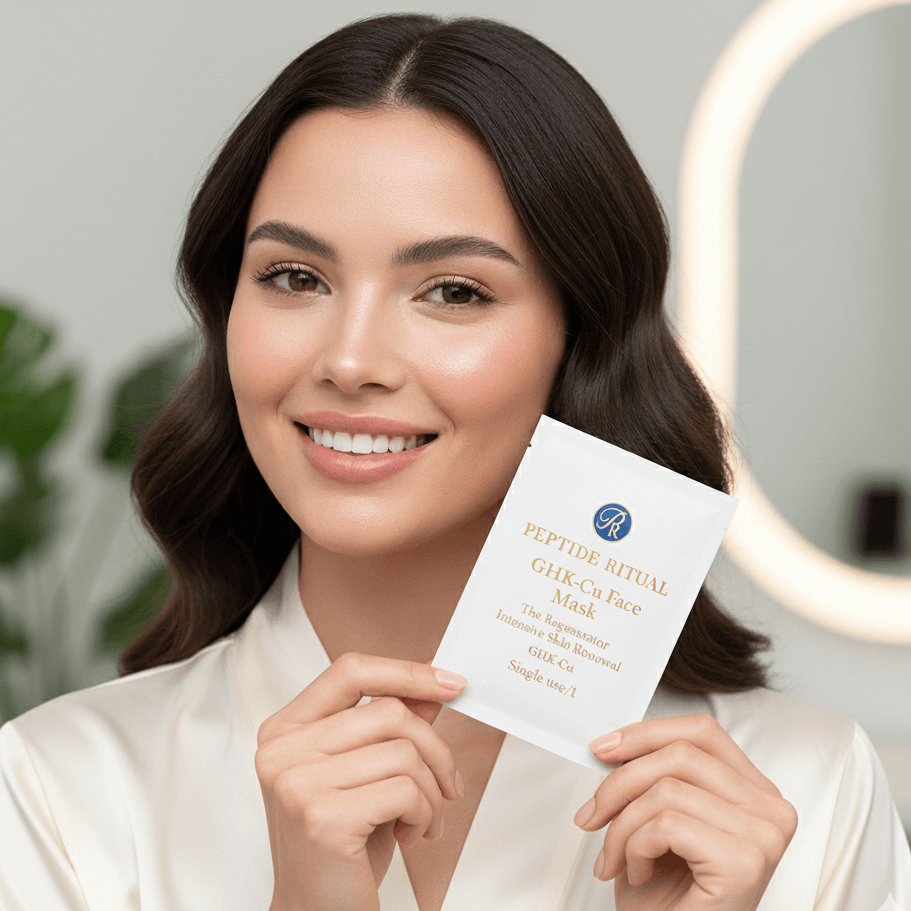
The GHK-Cu complex acts as a primary signal due to de novo collagen synthesis in fibroblast cultures. In laboratory models, researchers observe a significant uptick in the production of both Type I and Type III collagen. This dual stimulation ensures that the newly formed matrix possesses both structural strength and necessary flexibility. High fidelity imaging often confirms a denser, more organized fibrillar network following exposure.
Furthermore, simple production, GHK-Cu plays a vital role in the maturation of the extracellular matrix (ECM). It serves as an essential cofactor for the enzyme lysyl oxidase and secondly facilitates the cross linking of collagen and elastin fibers. Basically, this enzymatic activation transforms loose proteins into a stable, resilient biological architecture. Therefore, scientists monitor this transition to understand the mechanical properties of regenerated tissue.
Additionally, GHK-Cu stimulates the production of vital glycosaminoglycans and small proteoglycans like decorin. These molecules are responsible for the hydration and spacing of the collagen framework. By improving the volume of the ground substance, the complex enhances the overall density of the dermal model. This comprehensive remodeling provides a robust foundation for further investigative studies into cellular longevity.
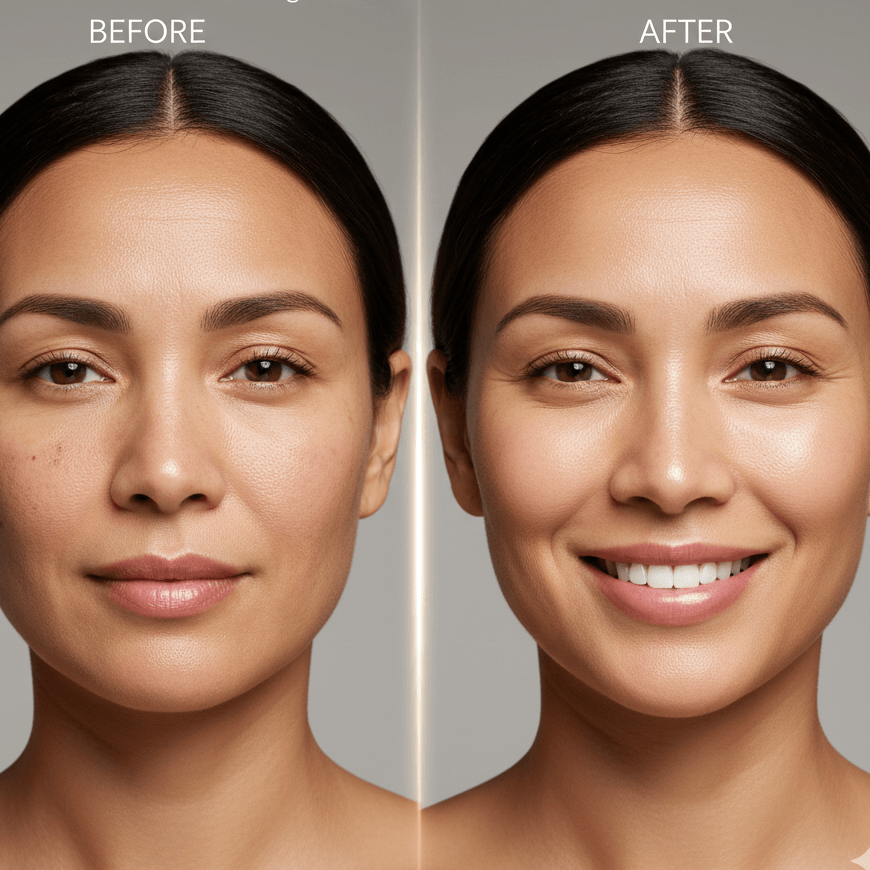
The GHK-Cu complex demonstrates a sophisticated ability to dampen acute phase inflammatory signals in vitro. So researchers observe a consistent reduction in the secretion of pro inflammatory cytokines. By suppressing these mediators, the peptide creates a more stable and less reactive environment for sensitive cell cultures.
This regulation is vital for isolating the specific effects of regenerative signaling without interference from inflammatory noise. Therefore the primary mechanism involves the systemic downregulation. This transcription factor acts as a master switch for the body’s inflammatory cascade during experimental stress. GHK-Cu effectively inhibits this switch, preventing the overactivation of macrophages and other immune responsive cells in the test model.
Laboratory data indicate that this intervention can reduce inflammatory marker expression by up to 60%. Beyond cytokine regulation, GHK-Cu provides robust antioxidant protection by enhancing superoxide dismutase (SOD) activity. It actively neutralizes reactive oxygen species (ROS) that would otherwise cause oxidative damage to cellular DNA.
Scientists utilize this property to protect tissue samples from the deleterious effects of UV radiation or chemical irritants. Maintaining high SOD levels ensures that the research model remains viable throughout the observation period. Finally, the complex helps prevent excessive fibrosis. In research models of damaged tissue, GHK-Cu promotes “healthy” regeneration rather than disorganized scar formation.
Standard aqueous serums provide a rapid but transient exposure of GHK-Cu to the research model. These water based solutions allow for immediate interaction with the surface of the cell culture or tissue sample. However, the high hydrophilicity of the peptide often limits its ability to penetrate deeper layers effectively. Researchers use serums primarily for short term assays where a quick molecular “burst” is required.
Overnight delivery systems utilize advanced lipid based carriers or polymer encapsulation to extend the release window. These vehicles stabilize the peptide, protecting it from premature enzymatic degradation over a several hour period. In comparative trials, encapsulated delivery showed up to a 60% increase in deep tissue penetration compared to standard serums. This sustained release is ideal for observing complex, time dependent cellular transformations.
Data from Franz diffusion cell experiments indicate that standard serums often reach a saturation point within minutes. In contrast, overnight delivery models demonstrate a linear increase in bioavailability that continues throughout the sleep cycle simulation. This steady flux prevents the “plateau effect” often seen in liquid phase research. Laboratories favor these sustained systems when mapping long term changes in gene expression or structural remodeling.
Ultimately, the choice of delivery method dictates the depth and quality of the resulting data. While serums offer simplicity for rapid screening, overnight systems provide the consistency needed for high stakes regenerative research. Analysts must account for these differing kinetic profiles when calculating the final concentration of the copper complex. Matching the delivery vehicle to the research timeline is a sign of precise biochemical investigation.
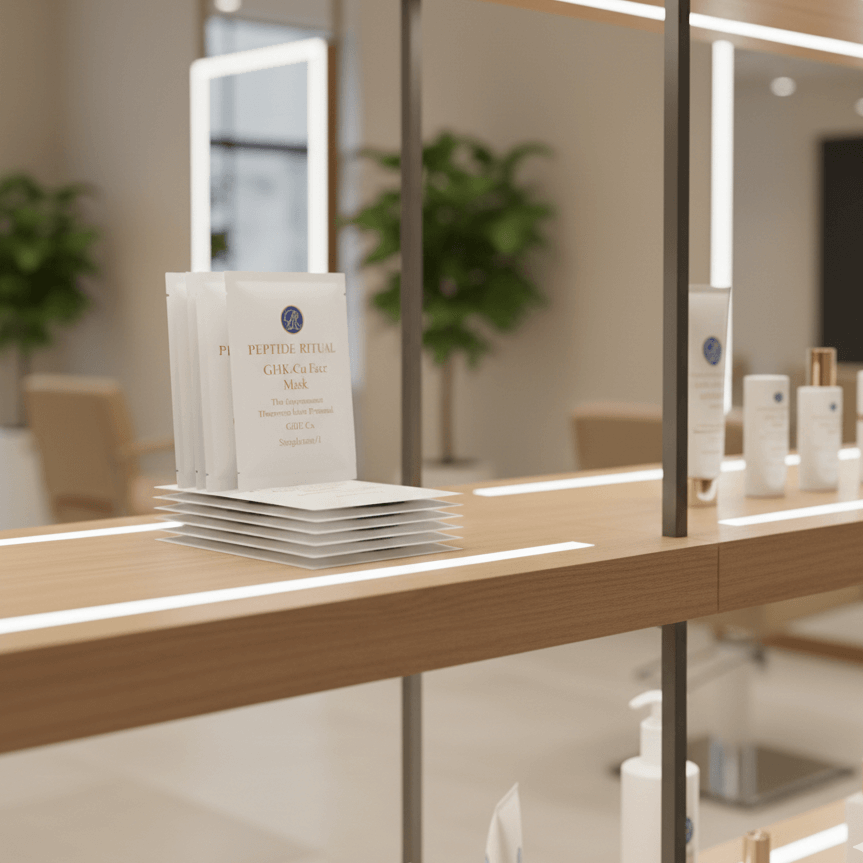
The GHK-Cu complex exhibits remarkable thermodynamic stability within a controlled research environment. Scientists rely on structural persistence to maintain consistent concentrations throughout long term experimental protocols. Oxidation resistance is a distinctive feature of the GHK-Cu complex during exposure to environmental stressors.
In the laboratory, the peptide effectively “silences” the redox activity of copper, preventing the formation of damaging hydroxyl radicals via Fenton type reactions. This silencing effect protects the surrounding molecular environment from lipid peroxidation and protein carbonylation.
By neutralizing these reactive pathways, researchers can observe the peptide’s signaling effects in a clean, non oxidative state. Maintaining this stability requires adherence to specific pH and temperature standards during storage and analysis. The complex remains most stable at a neutral to slightly acidic pH range of 5.0 to 7.0, where the glycine and histidine residues provide optimal coordination.
Exposure to temperatures exceeding 40°C can trigger peptide hydrolysis and subsequent loss of bioactivity. Therefore, investigators utilize cold process formulation techniques to ensure the molecular “blueprint” remains intact for every assay. Furthermore, the addition of specific amino acids can further enhance the complex’s resistance to precipitation and microbial degradation.
The Peptide Ritual overnight mask utilizes a unique delivery matrix designed for maximum stability during 8 hour research cycles. We focus on high fidelity lipid encapsulation that prevents the oxidation of the delicate copper complex.
This ensures the GHK-Cu remains active and potent from the moment of application until the conclusion of the study. Researchers choose our formula for its ability to deliver consistent results in complex dermal models.Our commitment to molecular purity sets Peptide Ritual apart in the scientific community.
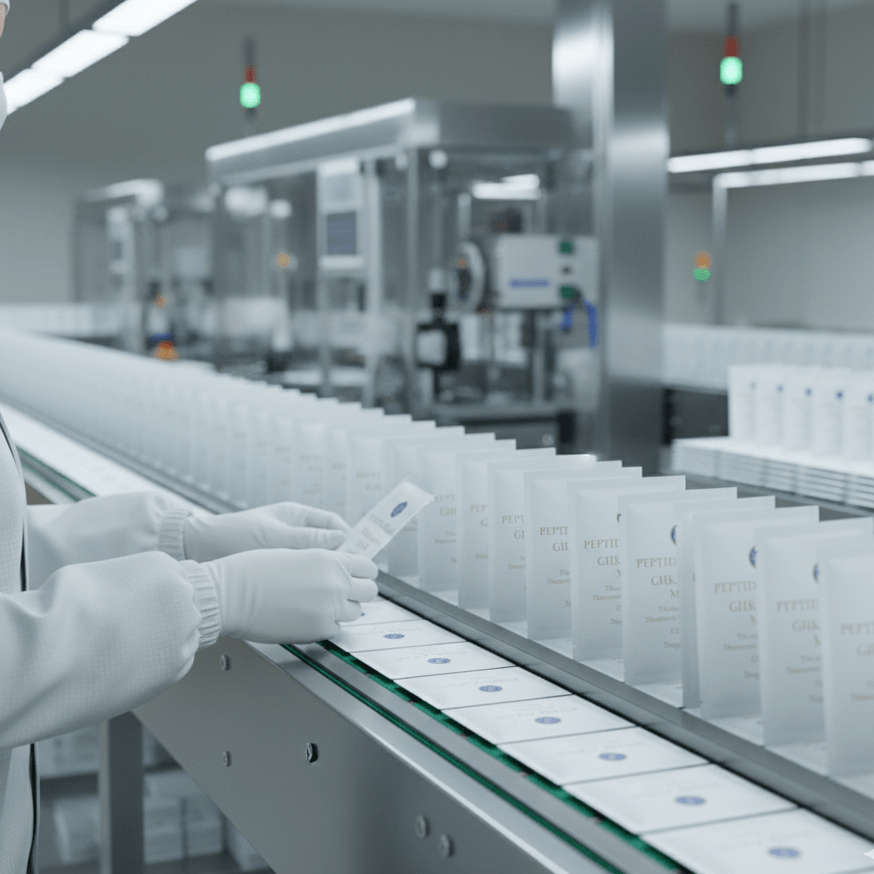
Every batch of GHK-Cu undergoes rigorous HPLC and mass spectrometry testing to guarantee a 99% purity rating. Specifically, this level of precision eliminates the risk of “noise” or interference from contaminants during sensitive gene expression assays. By providing a clean, research grade environment, we facilitate your data to reflect the true potential of the peptide.
We engineered our mask to optimize the bioavailability of copper peptides through a sustained release mechanism. Unlike standard serums that evaporate or saturate quickly, our formula maintains a steady flux across the research barrier. This prolonged exposure window is critical for observing long term shifts in extracellular matrix density.
Finally, the Peptide Ritual mask is free from common laboratory irritants that could skew inflammatory response data. We exclude parabens, sulfates, and synthetic fragrances to maintain the integrity of your biological samples. Our pH balanced formula supports the natural chelation of the copper ion, ensuring structural stability throughout the night. 
What is the purity level of Peptide Ritual GHK-Cu?
We maintain a minimum purity standard of 99% for all research grade batches. Our laboratory utilizes High Performance Liquid Chromatography (HPLC) to verify every sequence. This ensures that your research models receive only the targeted copper complex. High purity prevents unintended chemical interference during sensitive assays.
How should GHK-Cu be stored for long-term stability?
Researchers should store the lyophilized powder in a freezer at -20°C for maximum shelf life. Once reconstituted into a solution, keep the sample refrigerated at 4°C. Avoid frequent freeze thaw cycles to prevent molecular degradation. These storage protocols protect the integrity of the copper peptide bond.
Can GHK-Cu be used in aqueous research solutions?
Yes, the GHK-Cu complex is highly hydrophilic and dissolves easily in water-based mediums. It integrates seamlessly into phosphate-buffered saline (PBS) and standard cell culture media. Scientists value this solubility for its ease of use in diverse in vitro protocols. Always ensure the final solution maintains a stable pH between 5.5 and 7.0.
What makes the overnight mask different from a standard serum?
The Peptide Ritual mask uses a sustained release lipid matrix to extend the delivery window. Standard serums often evaporate quickly, limiting the duration of molecular signaling. Our mask provides a steady flux of GHK-Cu throughout an 8-hour observation period. This duration is essential for studying complex changes in the extracellular matrix.
The study of GHK-Cu continues to redefine our understanding of cellular signaling and tissue remodeling. By focusing on high purity complexes, researchers can unlock the intricate mechanisms behind collagen synthesis and inflammatory modulation. The consistency of your laboratory materials directly dictates the reliability of your scientific findings. Peptide Ritual remains dedicated to providing the high fidelity tools necessary for these critical discoveries.
Precision engineered delivery systems, such as our overnight research mask, bridge the gap between simple application and sustained molecular influence. These advancements allow for more nuanced observations during extended exposure cycles. As the global scientific community delves deeper into peptide science, the demand for stable, bioactive compounds grows. We ensure every batch meets the most stringent quality standards to support your investigative goals.
Ultimately, the future of regenerative science depends on the integrity of the building blocks used today. Choosing the right research partner ensures that your data remains uncompromised and reproducible. Explore the potential of our GHK-Cu complexes and elevate the standard of your experimental protocols. Join Peptide Ritual in pushing the boundaries of what is possible in modern biochemical research.
Unlock the full potential of your laboratory studies with Peptide Ritual. We provide the high purity GHK-Cu complexes you need for precise, reproducible data. Order now to secure the industry’s most stable molecular tools for your next project.
Take advantage of our free shipping on all research orders over $200. We also offer an immediate 10% to 15% saving when you invest in our specialized Ritual Kits. These kits provide a comprehensive suite of compounds designed for synchronized investigative cycles.
Maximize your budget and accelerate your discovery timeline today. Apply code RENEW25 at checkout to receive 25% OFF your entire order. Trust Peptide Ritual for the quality, transparency, and scientific integrity your research deserves.
GHK-Cu Copper Peptide, Peptide Ritual Research
Synthetic Peptide Synthesis, Biochemical Research Tools
Extracellular Matrix Study
Discover how peptides target “zombie cells” in skin research. Peptide
Explore how research peptides trigger collagen synthesis. Peptide Ritual provides
Analyze how GHK-Cu Overnight Mask™ functions to deliver copper peptides
Examine how Eye Lift Cream™ functions at a molecular level
Revitalize tired skin with Copper Glow Drops. Use GHK-Cu to
Explore the complete science of the GHK-Cu Renewal Complex. Discover
Ultimate Guide to Expression Line Smoother™ reveals the science, key
Discover the power of Wrinkle Reset Serum. Reduce fine lines,
Boost collagen and restore your glow with our Peptide Ritual
Get glowing skin, learn how peptides boost collagen, smooth wrinkles,
Join our community for exclusive offers, early access, and peptide insights.