
How Do Peptides Target Senescence?
Discover how peptides target “zombie cells” in skin research. Peptide

Discover how peptides target “zombie cells” in skin research. Peptide
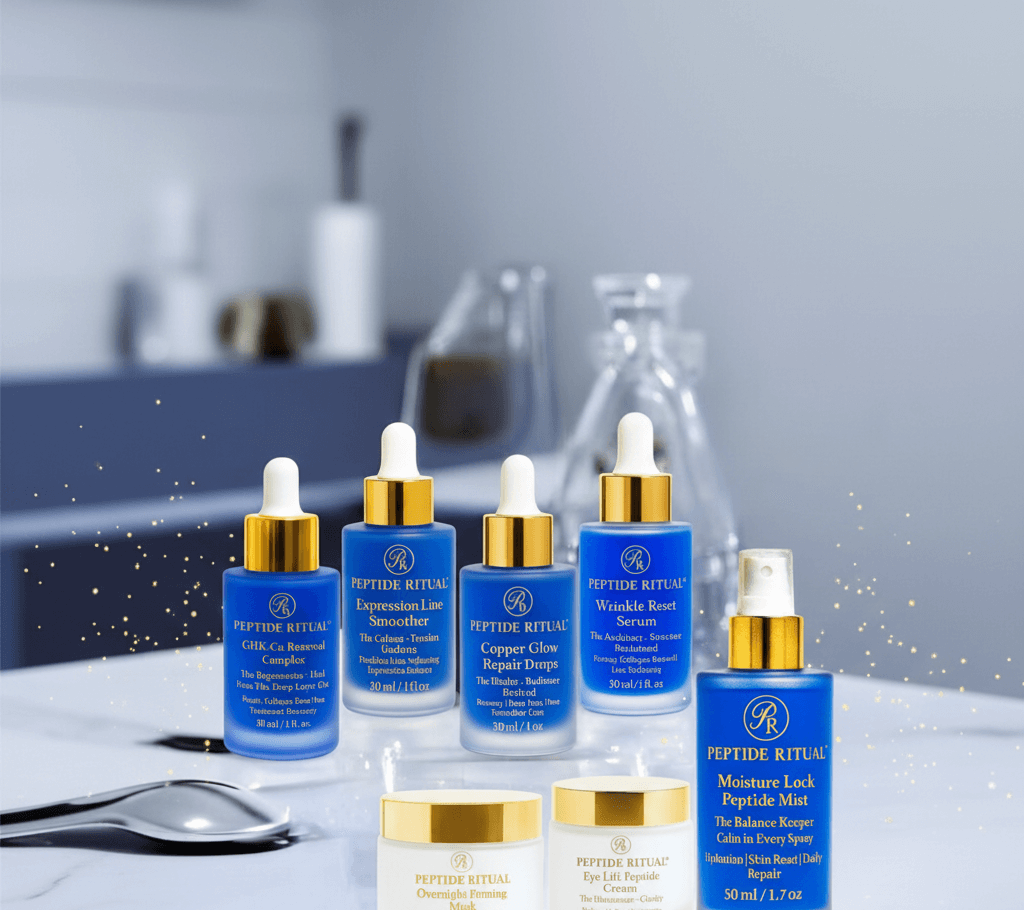
Explore how research peptides trigger collagen synthesis. Peptide Ritual provides
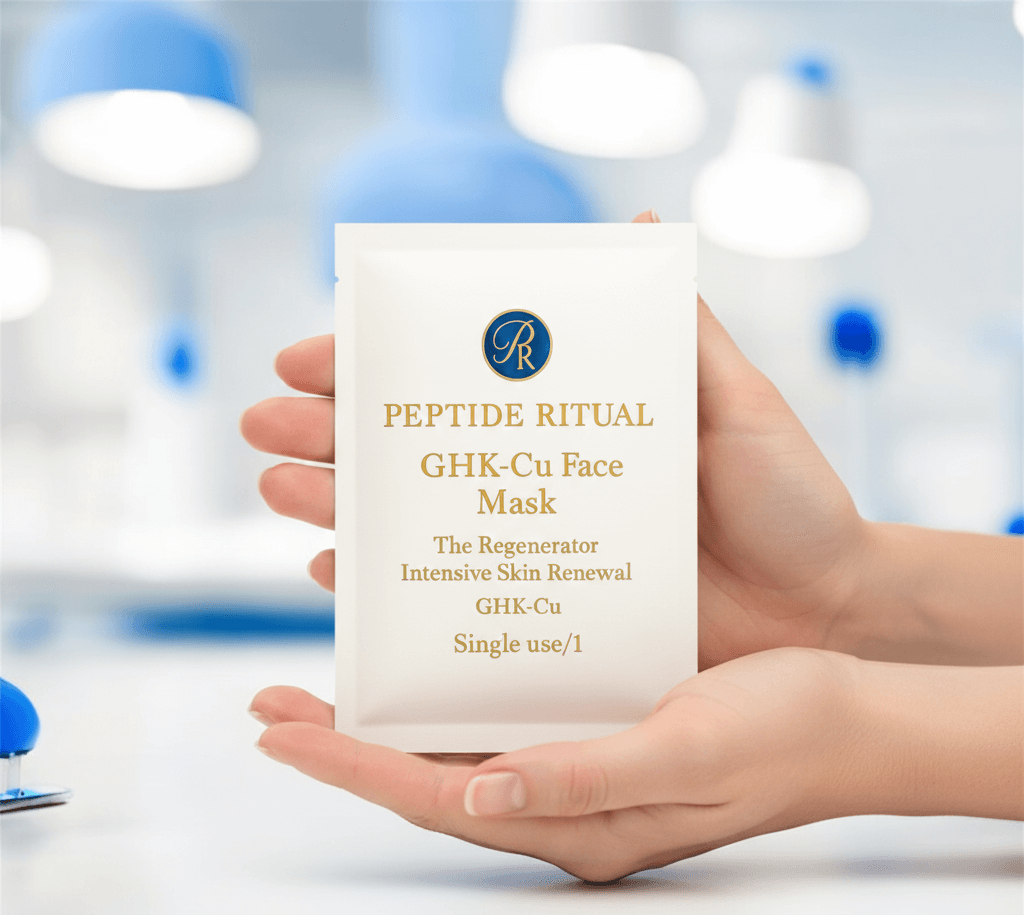
Analyze how GHK-Cu Overnight Mask™ functions to deliver copper peptides
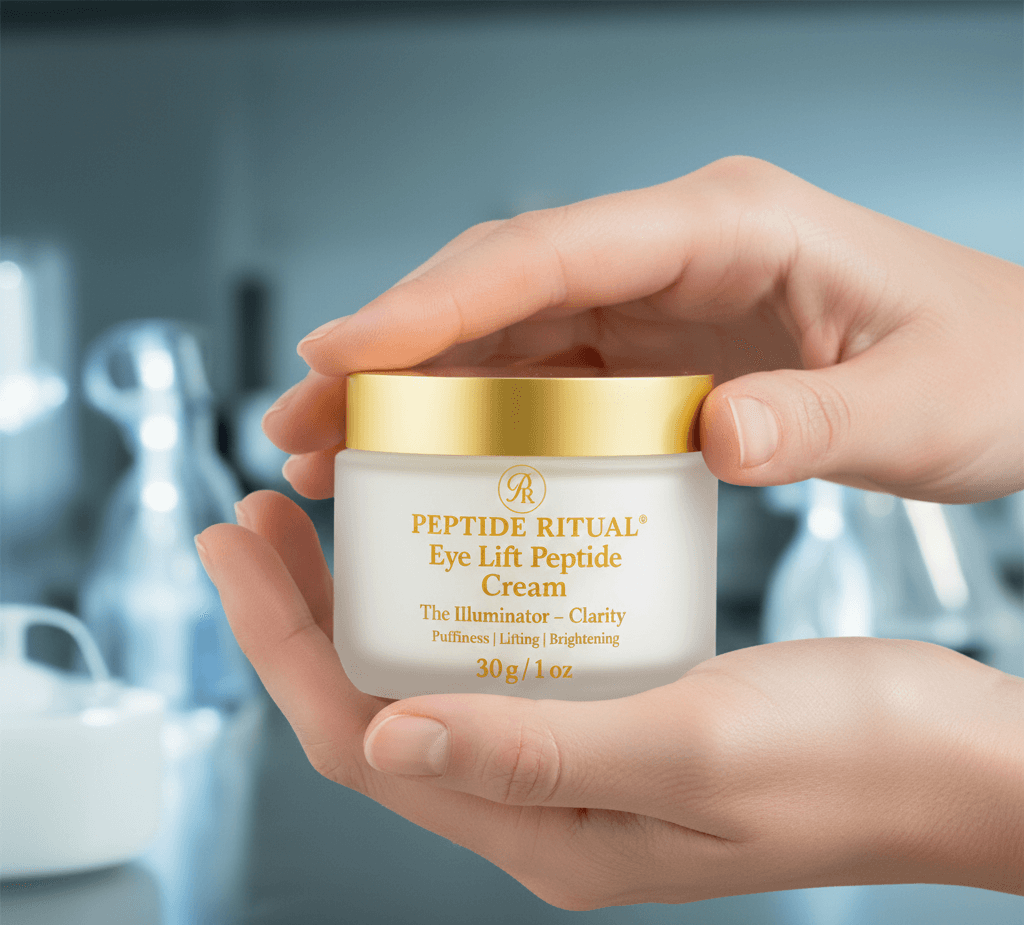
Examine how Eye Lift Cream™ functions at a molecular level
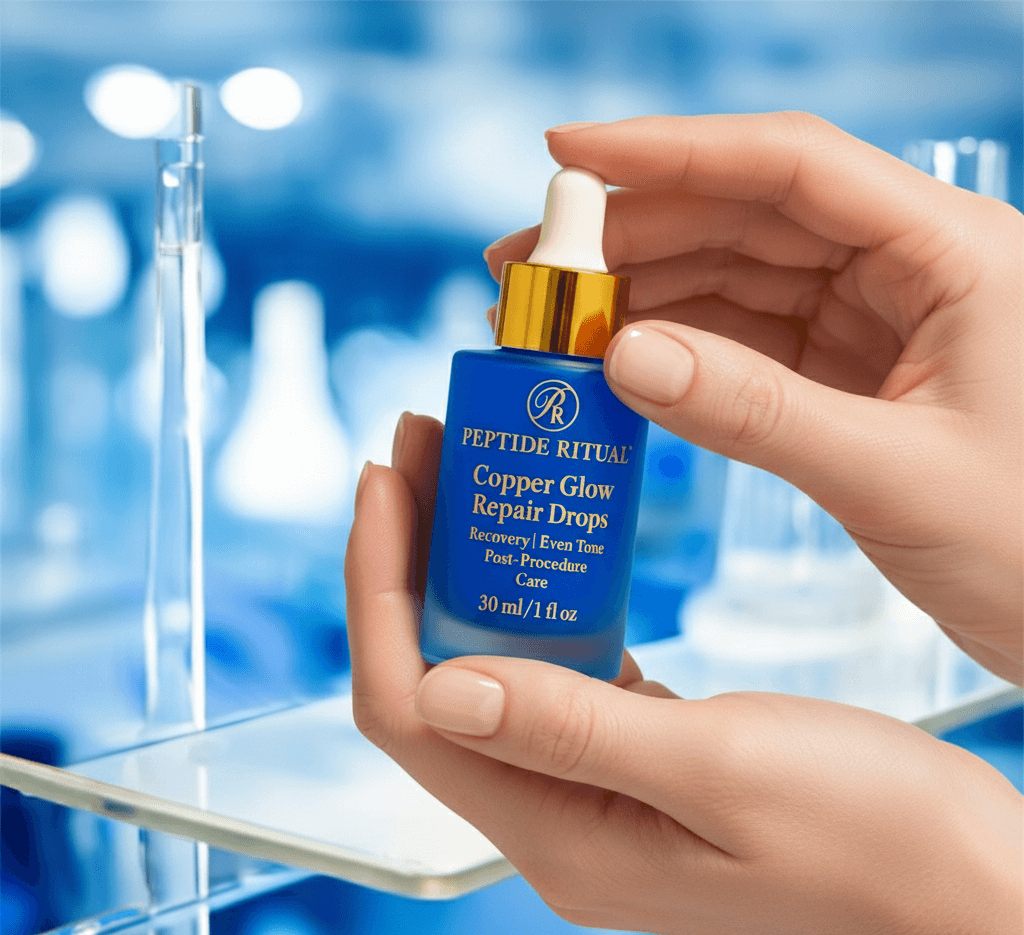
Revitalize tired skin with Copper Glow Drops. Use GHK-Cu to
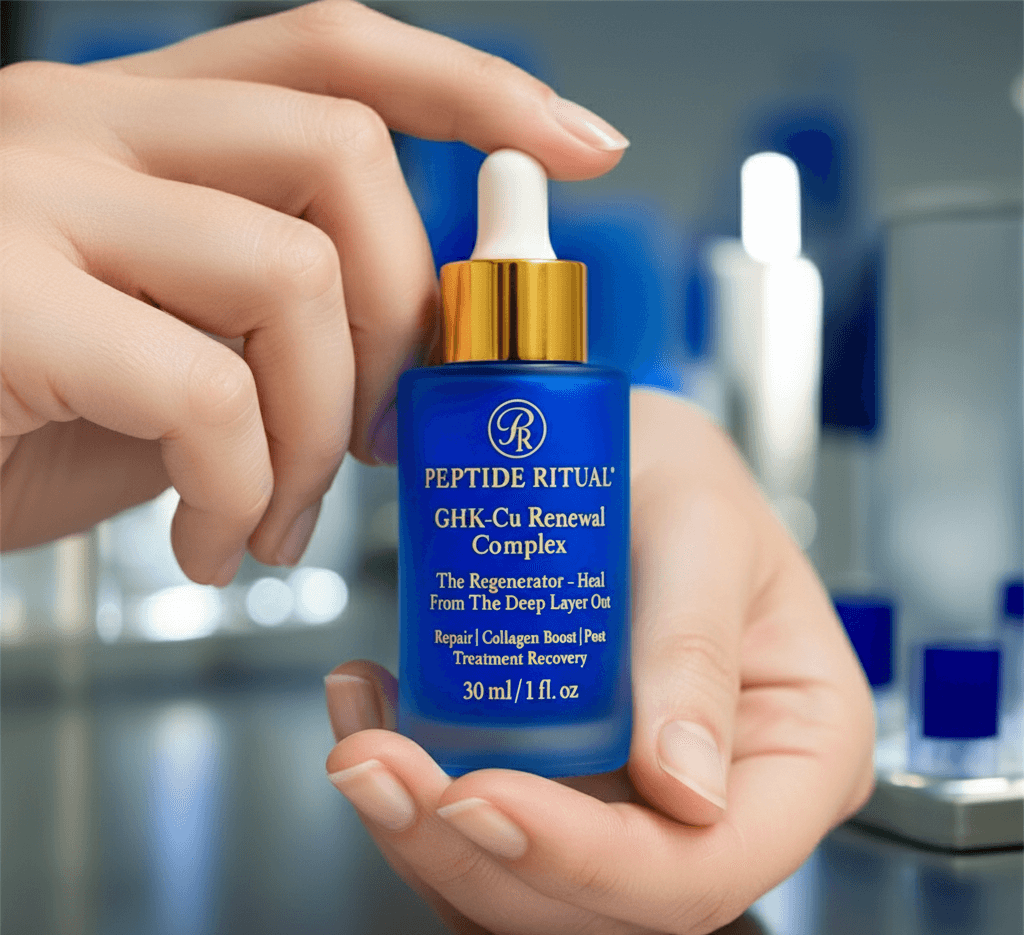
Explore the complete science of the GHK-Cu Renewal Complex. Discover
Ultimate Guide to Expression Line Smoother™ reveals the science, key
Discover the power of Wrinkle Reset Serum. Reduce fine lines,
Boost collagen and restore your glow with our Peptide Ritual
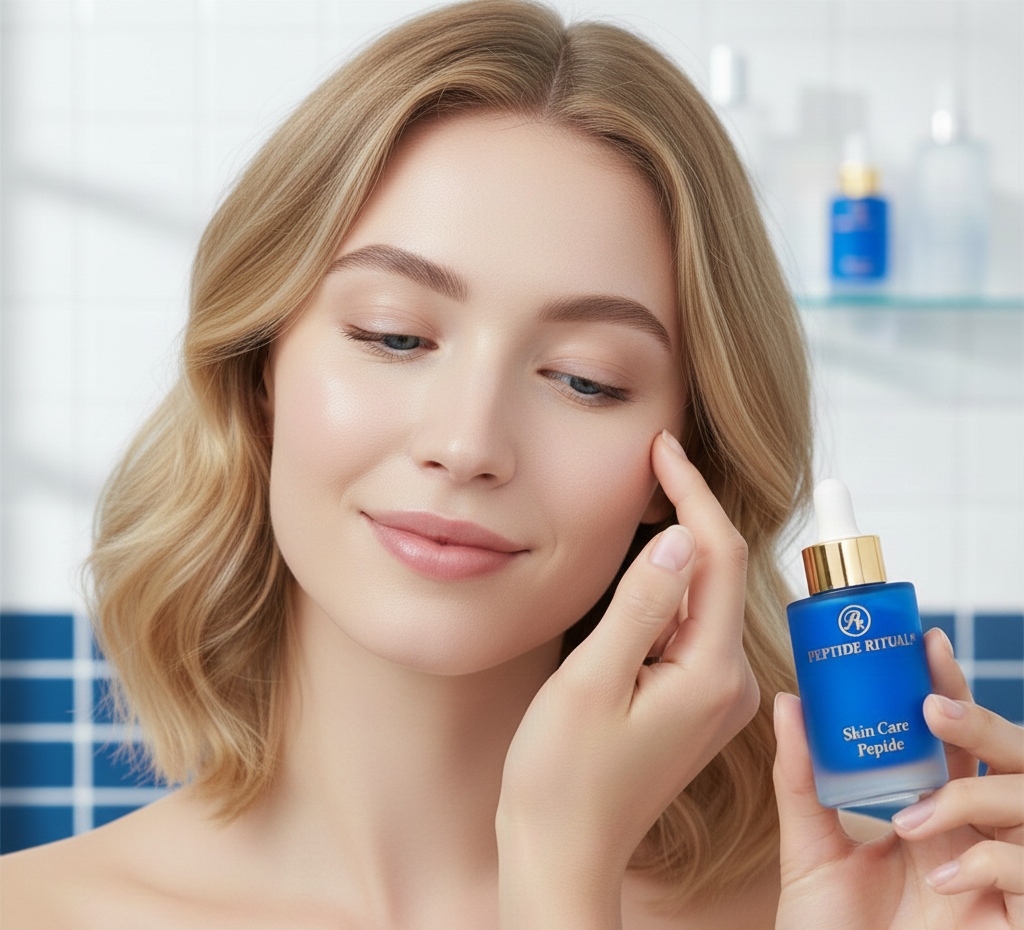
Get glowing skin, learn how peptides boost collagen, smooth wrinkles,
Examine how Eye Lift Cream™ functions at a molecular level to support biochemical research and experimental skin cell modeling studies.
Researchers primarily focus on the precise arrangement of amino acids that constitute the active peptide chains within this specialized research formulation. These scientists identify several key signal peptides, such as Palmitoyl Pentapeptide-4 and Palmitoyl Tetrapeptide-7, which serve as the primary subjects for molecular analysis.
Furthermore, the laboratory team utilizes mass spectrometry to verify that these chains maintain a high degree of purity for identical experimental results. Consequently, this detailed molecular mapping allows investigators to predict how the peptides will interact with various cellular receptors during the observation phase of research.
The formulation also incorporates specific carrier molecules that facilitate the transport of the peptides through synthetic membranes in a laboratory setting. These investigators often analyze the presence of lipid conjugated chains, which researchers incorporate to modify the lipophilicity of the hydrophilic peptide sequences.
Furthermore, the laboratory environment enables the study of how these modified molecules maintain their structural integrity when exposed to different enzymatic catalysts. Moreover, scientists observe that the inclusion of these carriers significantly influences the diffusion coefficient during absorption assays.
In addition to the primary peptide sequences, the research substrate contains a complex of stabilizing proteins derived from rice and soy. These researchers examine how these vegetable proteins act as a protective matrix for the more sensitive signaling peptides during long term storage tests. Furthermore, the scientists monitor the synergistic effects between these proteins and secondary antioxidants like hesperidin to determine the overall stability of the mixture. Consequently, the laboratory team documents how this specific ingredient synergy prevents the premature oxidation of the active peptide bonds during the trial period.

Scientific inquiries focus on how these peptide chains influence extracellular matrix dynamics within controlled laboratory environments. These molecules trigger specific biochemical pathways that researchers monitor to evaluate changes in protein expression, particularly the synthesis of structural proteins like collagen.
Furthermore, the laboratory team observes the interaction between the peptides and synthetic skin analogs to measure the rate of molecular penetration and receptor binding. Consequently, these experiments provide essential data on how signaling peptides modulate the production of structural fibers.
Investigators utilize high resolution imaging to track the movement of the compounds across cellular boundaries during the observation period. The researchers specifically analyze how the peptides initiate a cascade of intracellular events that result in the upregulation of specific genes responsible for tissue maintenance.
Furthermore, the scientists employ fluorescent resonance energy transfer to monitor the real time activation of downstream intracellular messengers. Moreover, the laboratory team utilizes these models to verify the efficacy of the Peptide Ritual formulation for research purposes, ensuring the signaling molecules remain active and functional within the test environment.
Experimental investigations clarify how specific peptide sequences establish biochemical bonds with structural proteins within laboratory grown skin analogs. These researchers observe that signaling peptides frequently dock at specific receptor sites on the surface of isolated fibroblasts, which triggers a series of intracellular events.
Furthermore, scientists analyze how these interactions modulate the synthesis of type I collagen and elastin fibers in vitro. Consequently, the study of these molecular associations reveals the precise affinity between synthetic peptides and the extracellular matrix components during the experimental phase.
The laboratory team specifically monitors the cross linking behavior between the peptide chains and the existing protein network. Researchers utilize advanced spectroscopy to observe how the addition of these peptides alters the mechanical properties of synthetic protein scaffolds. Furthermore, the investigators measure the resistance of these newly formed protein complexes to proteolytic degradation by introducing specific enzymes into the test environment. Moreover, this analysis helps scientists understand the longevity of protein reinforcement when using the Peptide Ritual formulation for research purposes.
Investigators also examine the role of hydration in facilitating these biochemical interactions within the dermal matrix. These scientists observe that the presence of hyaluronic acid analogs in the research medium enhances the mobility of peptides, allowing for more frequent collisions with target protein structures. Furthermore, the laboratory team utilizes fluorescence microscopy to visualize the distribution of peptides throughout the protein lattice.
Finally, researchers utilize advanced chromatography to determine the stability of these protein peptide complexes. These scientists identify the specific chemical bonds that maintain the structural association between the peptide ligand and the protein receptor. Furthermore, the laboratory team evaluates how variations in pH and temperature affect the strength of these biochemical interactions.
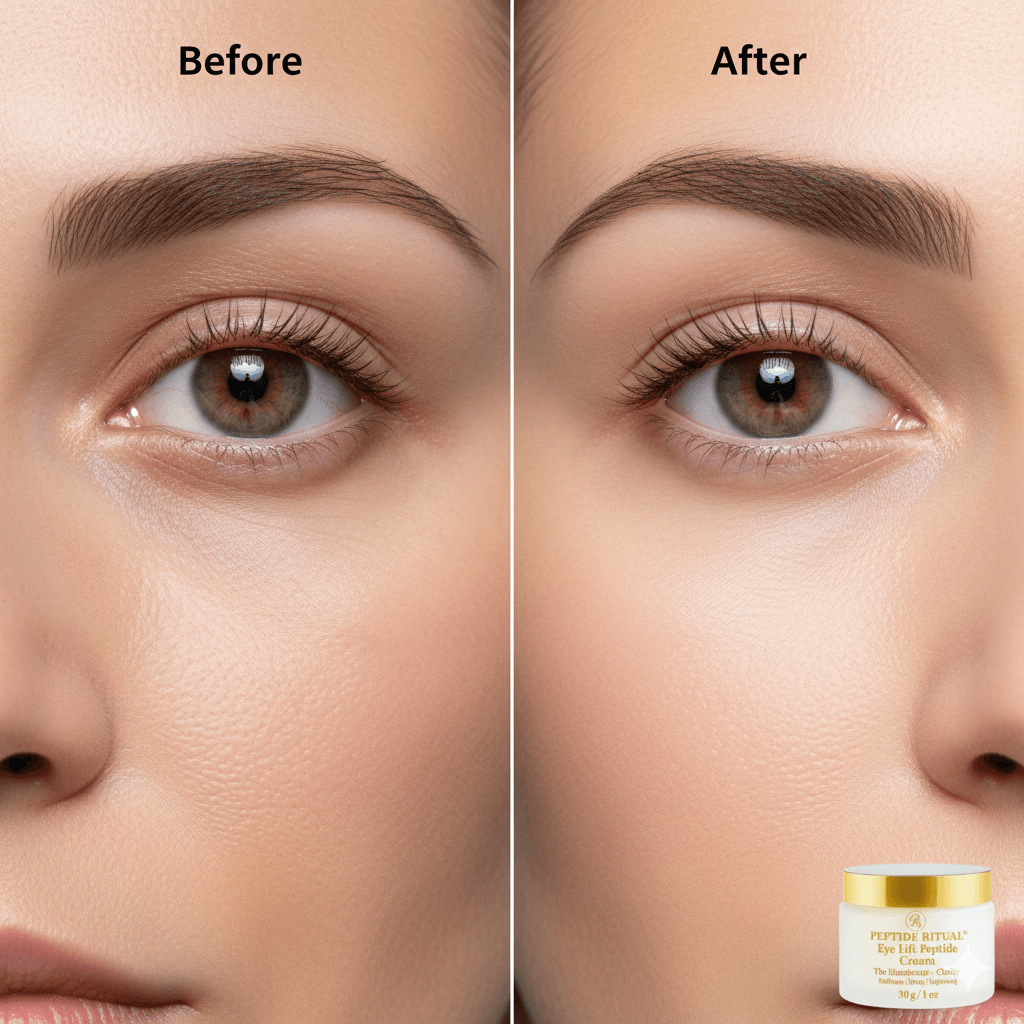
Researchers evaluate the permeability of peptide compounds by utilizing specialized diffusion cells that simulate natural barriers in a laboratory setting. These experimental setups measure the precise quantity of the substance that crosses a synthetic membrane over a fixed duration. Furthermore, the scientists manipulate the molecular weight of the peptides to determine how size influences the overall diffusion coefficient.
Consequently, the data collected from these absorption tests helps investigators refine the chemical delivery systems used in the study. Moreover, the laboratory team monitors the degradation rates during the transport process to ensure the peptide remains intact for accurate analytical results.
Researchers investigate how eye lift peptides initiate complex signaling cascades within isolated cellular environments. These studies show that the peptides frequently bind to G-protein coupled receptors (GPCRs). Furthermore, the laboratory team utilizes bioluminescence resonance energy transfer (BRET) to monitor the real-time activation of downstream intracellular messengers.
Consequently, these observations clarify how the synthetic compounds modulate the expression of genes responsible for extracellular matrix maintenance. Moreover, investigators employ selective inhibitors to map the specific pathways, such as the MAPK or TGF-beta circuits, that the peptides influence during the experimental period.
Researchers conduct rigorous stability testing to determine the chemical endurance of eye lift peptides under various environmental stressors in the laboratory. These scientists subject the formulations to accelerated aging conditions, such as extreme temperature fluctuations and UV light exposure, to identify potential degradation pathways. Furthermore, the laboratory team utilizes High Performance Liquid Chromatography (HPLC) to quantify the retention of the active peptide molecules over time.
Consequently, this data reveals how specific additives, such as antioxidants or chelating agents, enhance the structural longevity of the peptide chains. Moreover, investigators analyze ingredient synergy by observing how the combination of peptides and secondary compounds improves the overall solubility and molecular stability within the test medium.
Researchers apply rigorous statistical models to measure the efficacy of peptide interactions within standardized laboratory protocols. These scientists utilize quantitative polymerase chain reaction (qPCR) to determine the exact fold change in mRNA levels following peptide exposure. Furthermore, the laboratory team employs enzyme linked immunosorbent assays to calculate the precise concentration of synthesized proteins in the supernatant.
Consequently, these metrics allow investigators to establish a clear dose response relationship between the peptide concentration and cellular output. Moreover, the integration of computational software enables researchers to visualize data trends and ensure the reproducibility of the experimental outcomes across multiple trials.
Investigators choose the specialized eye lift peptide cream from Peptide Ritual because the formulation maintains a high degree of molecular purity and batch consistency. These researchers prioritize standardized reagents to ensure that experimental variables remain controlled during longitudinal studies.
Furthermore, Peptide Ritual provides comprehensive analytical profiles that allow the laboratory team to verify the concentration of active peptide sequences. Consequently, the high stability of this specific compound facilitates more accurate data collection across various thermal and pH testing environments.
Moreover, the procurement of materials from Peptide Ritual supports rigorous scientific inquiry by providing a reliable substrate for advanced biochemical analysis and cellular modeling.
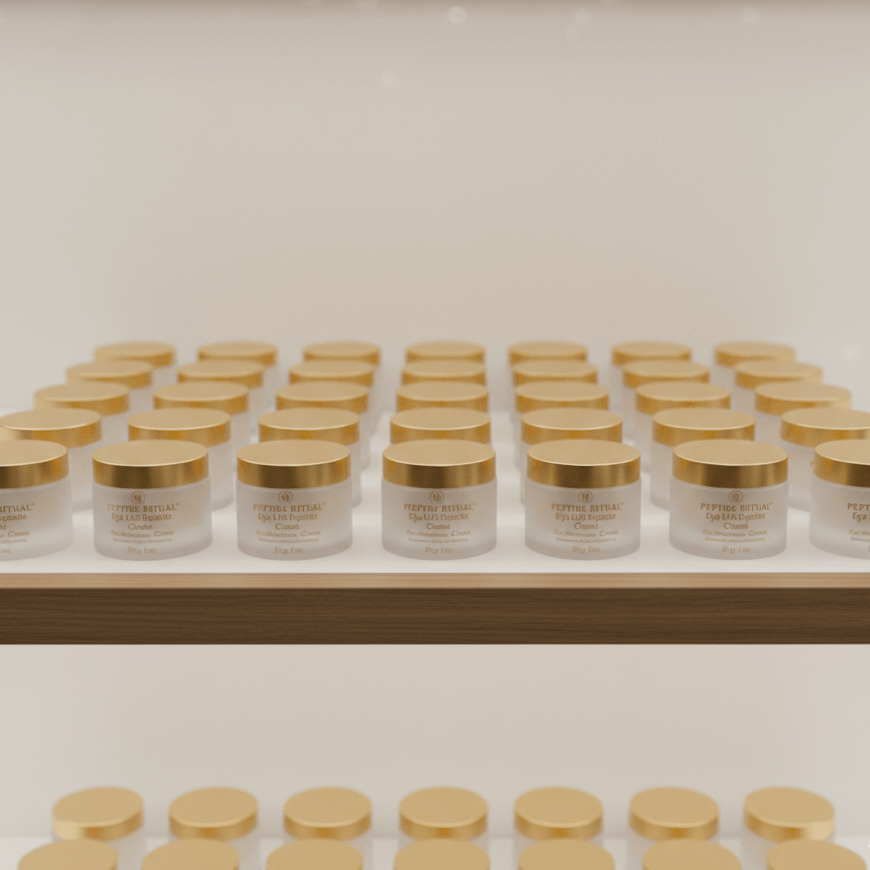
Q. What specific peptide sequences do researchers identify in this formulation?
Scientists primarily identify palmitoyl pentapeptides and acetyl hexapeptides within the Peptide Ritual matrix. These specific sequences serve as the focal point for investigations into molecular signaling and protein synthesis. Furthermore, the laboratory team utilizes mass spectrometry to confirm the presence of these precise amino acid chains.
How does the laboratory environment maintain the stability of the peptides?
Researchers maintain stability by storing the compounds in temperature controlled environments to prevent thermal degradation. The formulation from Peptide Ritual incorporates stabilizing buffers that protect the molecular integrity during experimental cycles.
What methods do investigators use to measure absorption in these studies?
The laboratory team employs synthetic membrane assays and Franz diffusion cells to quantify the rate of molecular movement. These tools allow researchers to calculate the diffusion coefficient without the need for biological subjects. Moreover, the study focuses strictly on the physical and chemical penetration properties of the Peptide Ritual formulation.
Why does the research focus exclusively on in vitro modeling?
In vitro modeling allows for a highly controlled environment where scientists can isolate specific cellular variables. By utilizing these models, researchers gain a clearer understanding of the biochemical pathways triggered by the peptides. Furthermore, this approach adheres to strict laboratory protocols that prioritize the observation of molecular interactions for research purposes.
The systematic evaluation of the Peptide Ritual eye lift formulation confirms its utility as a high performance reagent within advanced laboratory frameworks. These investigations demonstrate that the specific molecular configuration of the peptides consistently triggers predictable signaling responses in cellular models.
Furthermore, the data collected regarding bioavailability and structural stability provide a robust foundation for ongoing biochemical inquiries. Consequently, researchers successfully map the complex interactions between synthetic peptide chains and dermal protein analogs through these controlled experiments.
Moreover, the focus on standardized laboratory observation ensures that future studies can replicate these findings to further the understanding of molecular science for research purposes.
Research institutions and laboratory professionals acquire the Peptide Ritual eye lift formulation to ensure the highest standards of molecular consistency in their experimental trials. These investigators utilize the high purity reagent to advance the understanding of peptide behavior within controlled signaling models.
Furthermore, the website currently offers a structured incentive for research procurement, providing significant cost efficiency for large scale studies. Consequently, the application of the code RENEW25 at checkout enables laboratories to secure a 25% discount on their order, facilitating broader data collection within limited research budgets.
Peptide research formulation, molecular signaling peptides,
in vitro cellular pathways,
Discover how peptides target “zombie cells” in skin research. Peptide
Explore how research peptides trigger collagen synthesis. Peptide Ritual provides
Analyze how GHK-Cu Overnight Mask™ functions to deliver copper peptides
Examine how Eye Lift Cream™ functions at a molecular level
Revitalize tired skin with Copper Glow Drops. Use GHK-Cu to
Explore the complete science of the GHK-Cu Renewal Complex. Discover
Ultimate Guide to Expression Line Smoother™ reveals the science, key
Discover the power of Wrinkle Reset Serum. Reduce fine lines,
Boost collagen and restore your glow with our Peptide Ritual
Get glowing skin, learn how peptides boost collagen, smooth wrinkles,
Join our community for exclusive offers, early access, and peptide insights.