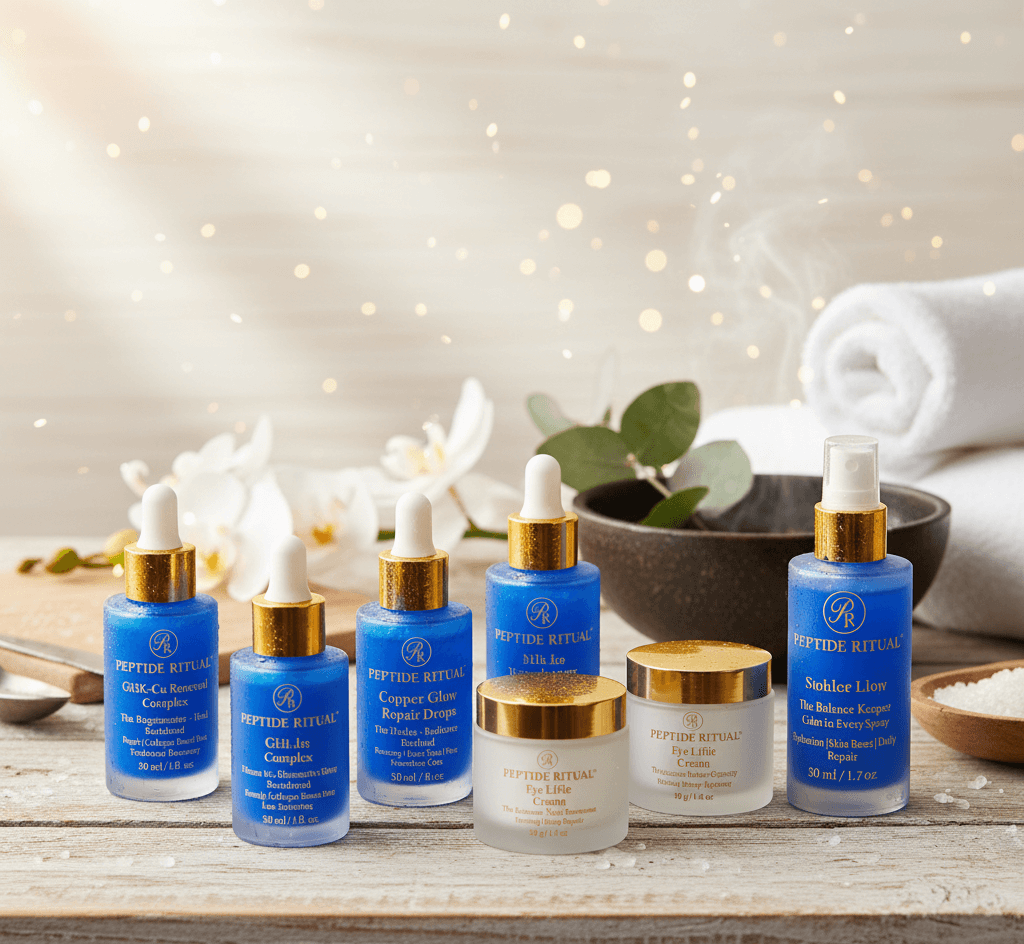
How Do Peptides Target Senescence?
Discover how peptides target “zombie cells” in skin research. Peptide

Discover how peptides target “zombie cells” in skin research. Peptide
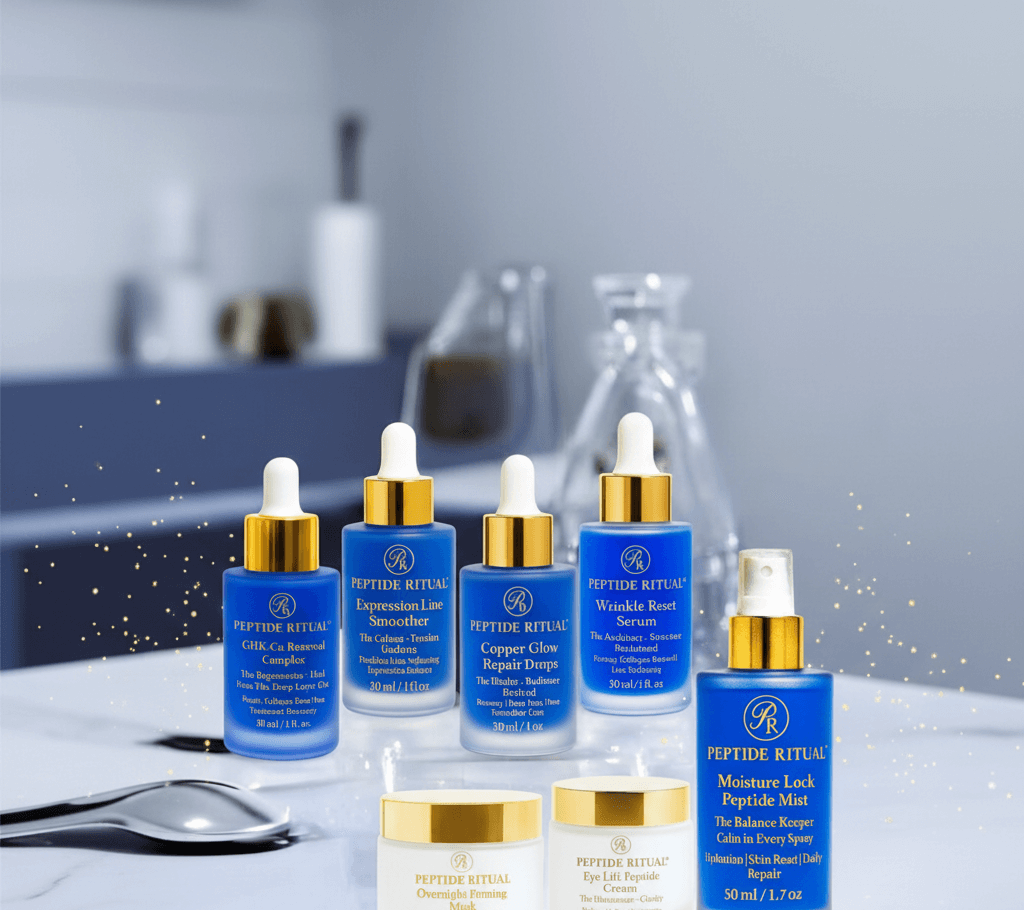
Explore how research peptides trigger collagen synthesis. Peptide Ritual provides
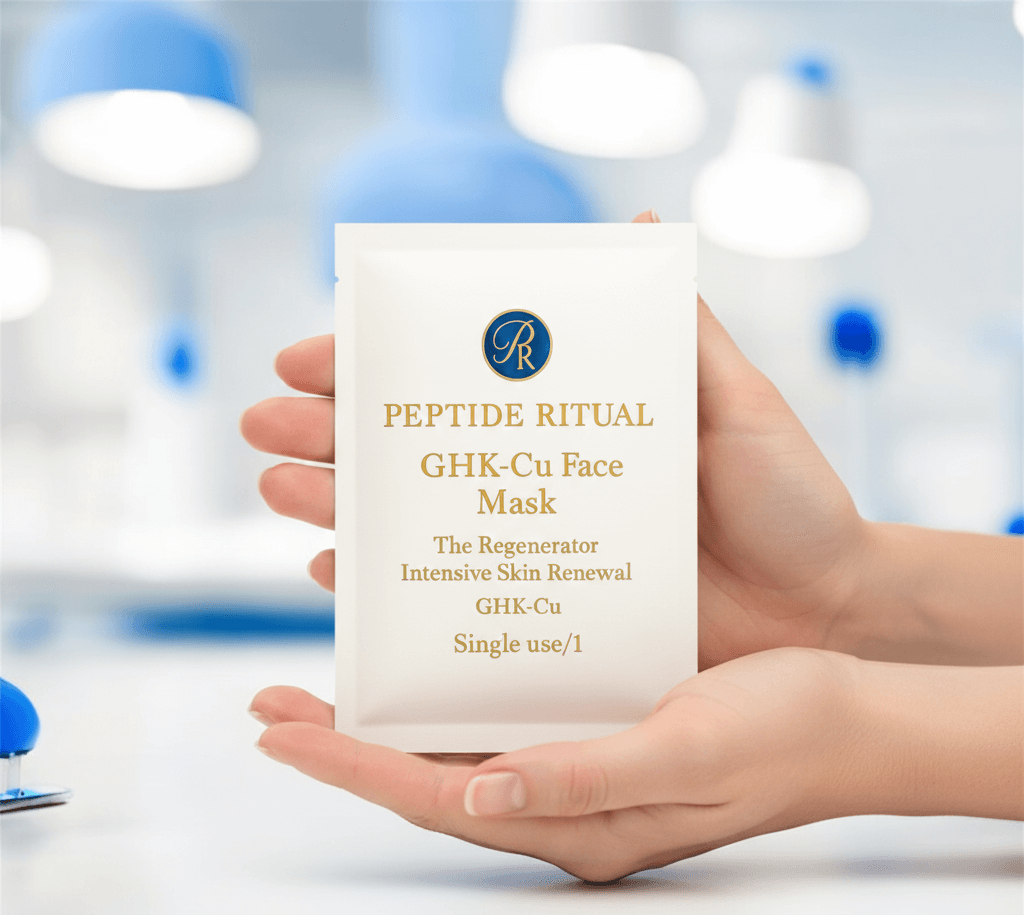
Analyze how GHK-Cu Overnight Mask™ functions to deliver copper peptides
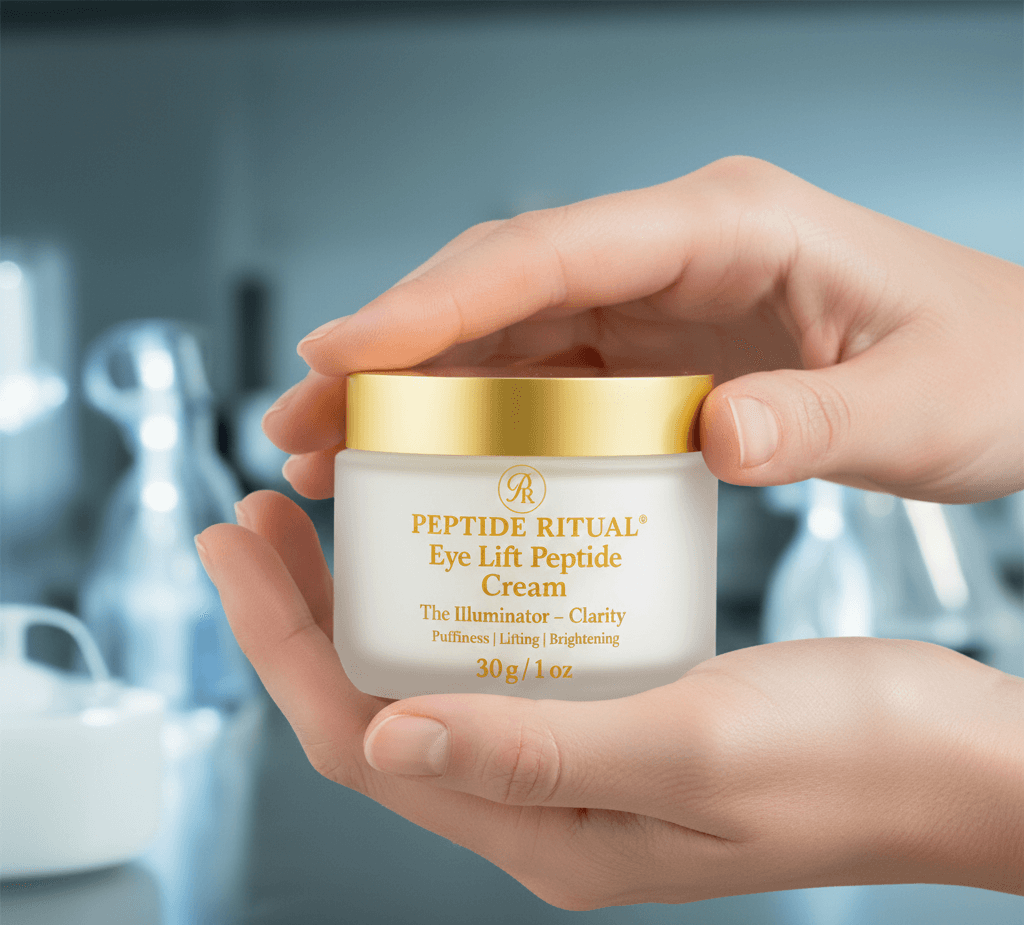
Examine how Eye Lift Cream™ functions at a molecular level
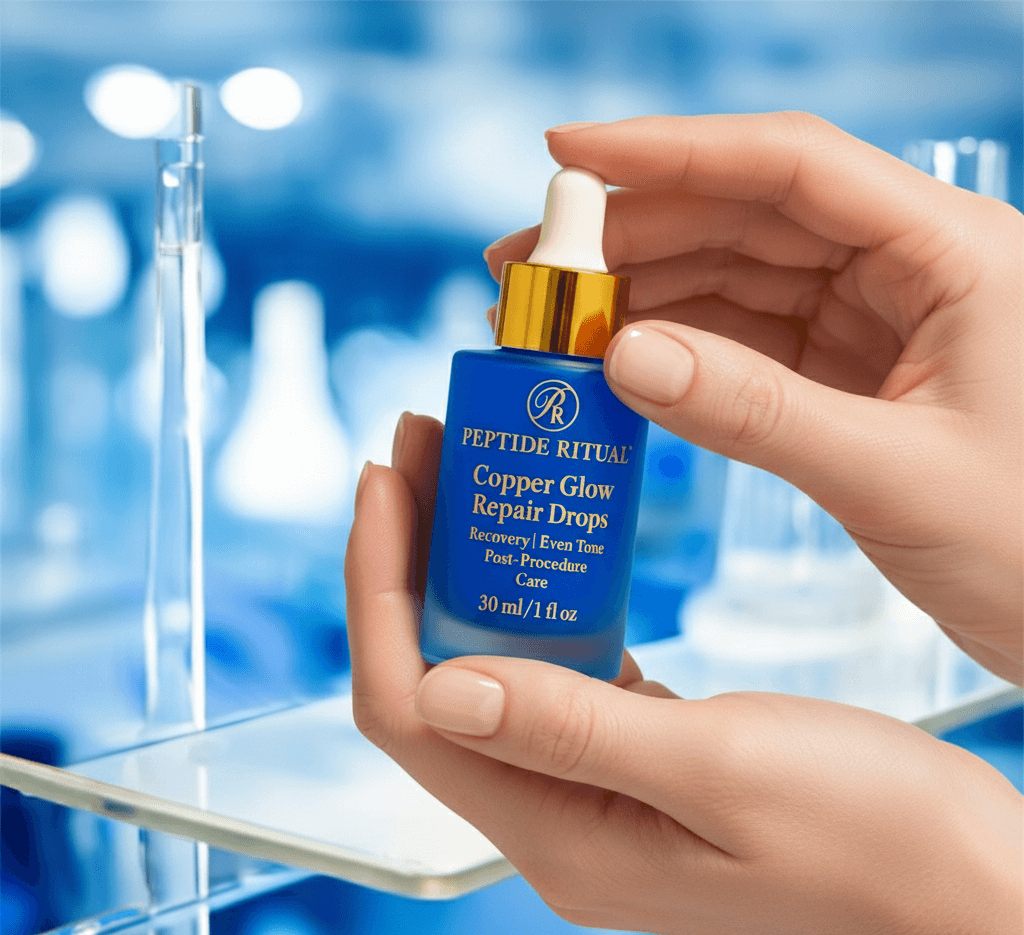
Revitalize tired skin with Copper Glow Drops. Use GHK-Cu to
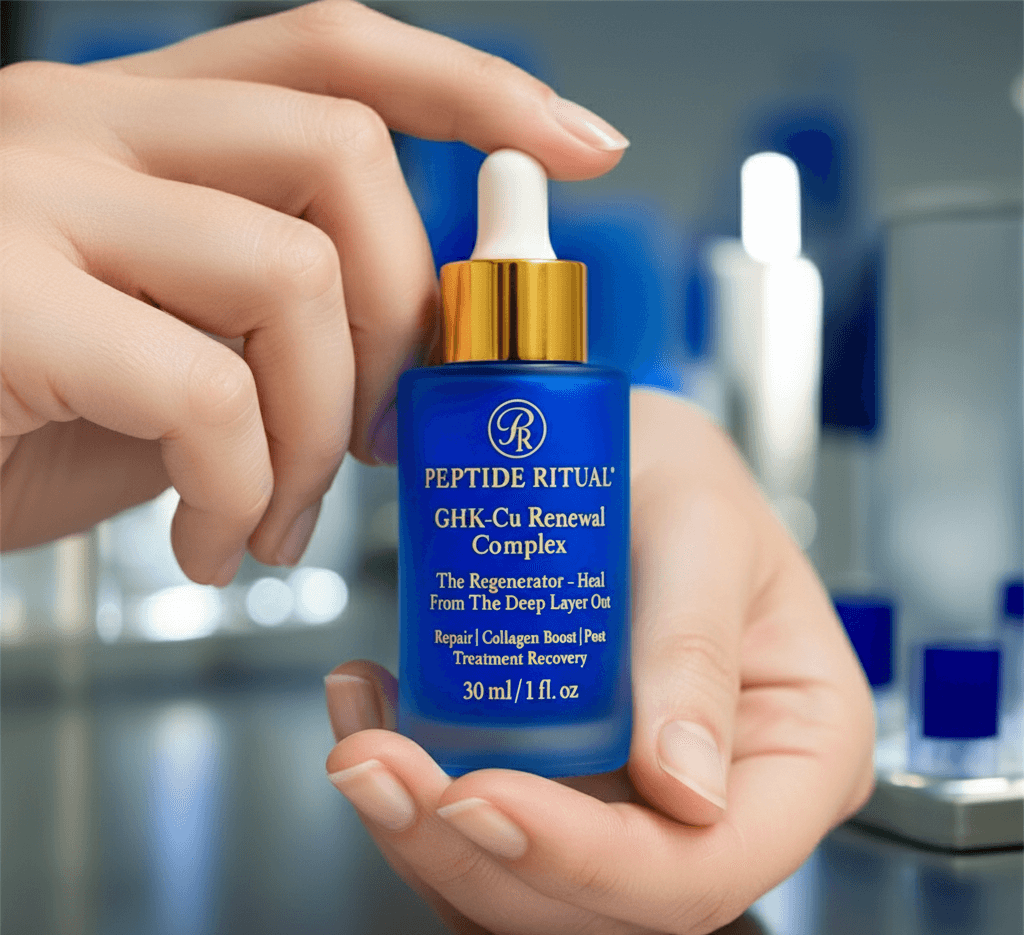
Explore the complete science of the GHK-Cu Renewal Complex. Discover
Ultimate Guide to Expression Line Smoother™ reveals the science, key
Discover the power of Wrinkle Reset Serum. Reduce fine lines,
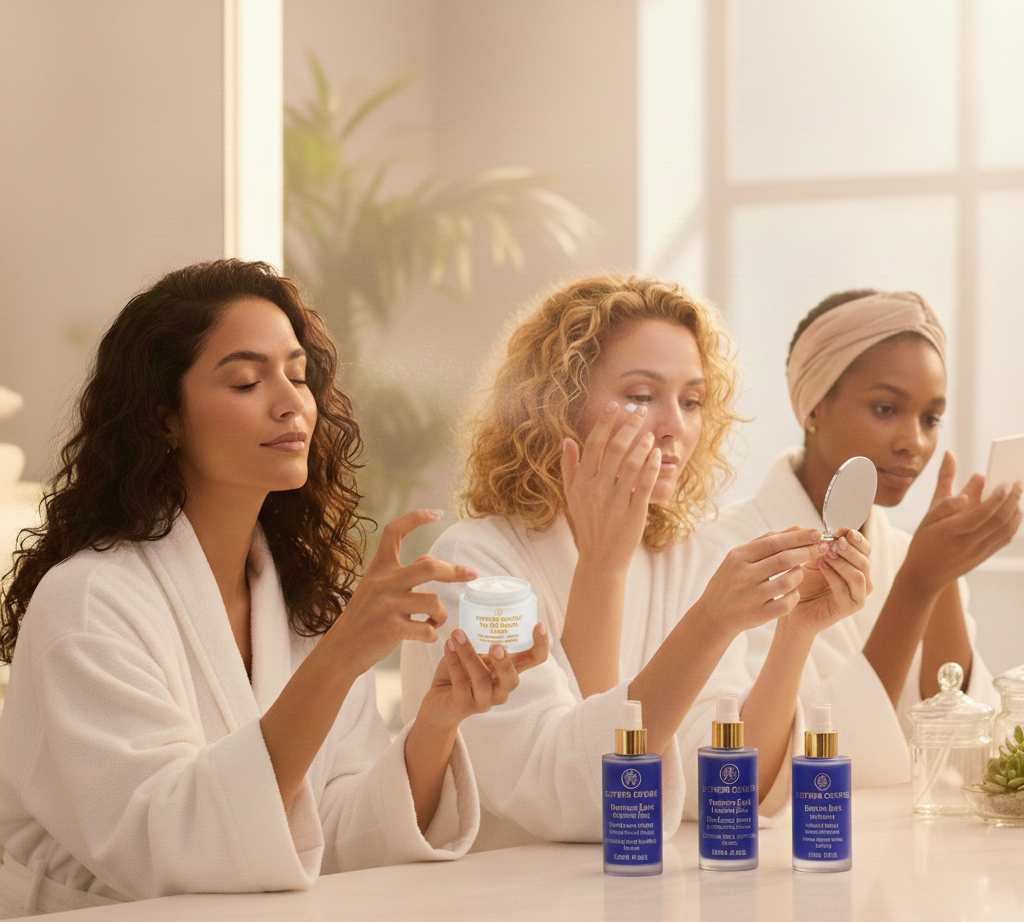
Boost collagen and restore your glow with our Peptide Ritual
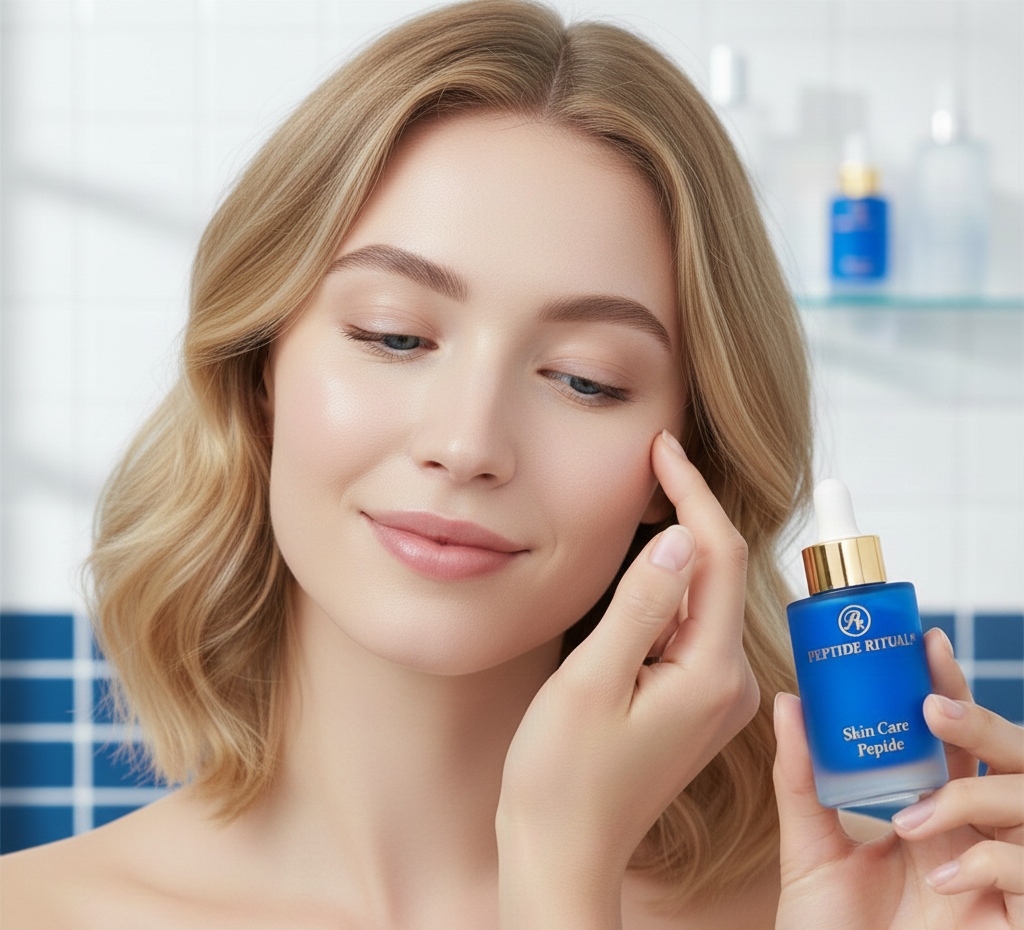
Get glowing skin, learn how peptides boost collagen, smooth wrinkles,
Explore how research peptides trigger collagen synthesis. Peptide Ritual provides high purity sequences for collagen stimulation.
Peptide signaling serves as the fundamental language of cellular communication for collagen production. In a laboratory setting, researchers observe how these short amino acid chains transmit vital instructions to cells for Collagen synthesis. Peptide Ritual provides the precise sequences required to study these complex interactions in skin tissue models.
Peptides function by binding to specific receptors on the surface of cell membranes. These receptors act like locks, while the peptides serve as the keys. Consequently, this binding event triggers a cascade of intracellular signals for Collagen. These signals tell the cell to perform specific tasks, such as protein synthesis or metabolic regulation.
Furthermore, the structure of the peptide determines its signaling efficiency. Small changes in the amino acid sequence can alter the binding affinity for a receptor. Thus, scientists utilize various synthetic analogs to map out the most effective pathways for tissue repair studies. Researchers often track these pathways to see how quickly a cell responds to the signal.
In addition, researchers must account for the half life of these signals. Enzymes often degrade natural peptides quickly. However, synthetic peptides from Peptide Ritual allow for more controlled observations during extended incubation periods. This control is essential for gathering accurate data on long term cellular responses.
Moreover, the concentration of the peptide solution influences the strength of the signal. Scientists must carefully titrate their samples to avoid overstimulating the research model. Therefore, the signaling process remains the most critical variable in any peptide based dermatological study.
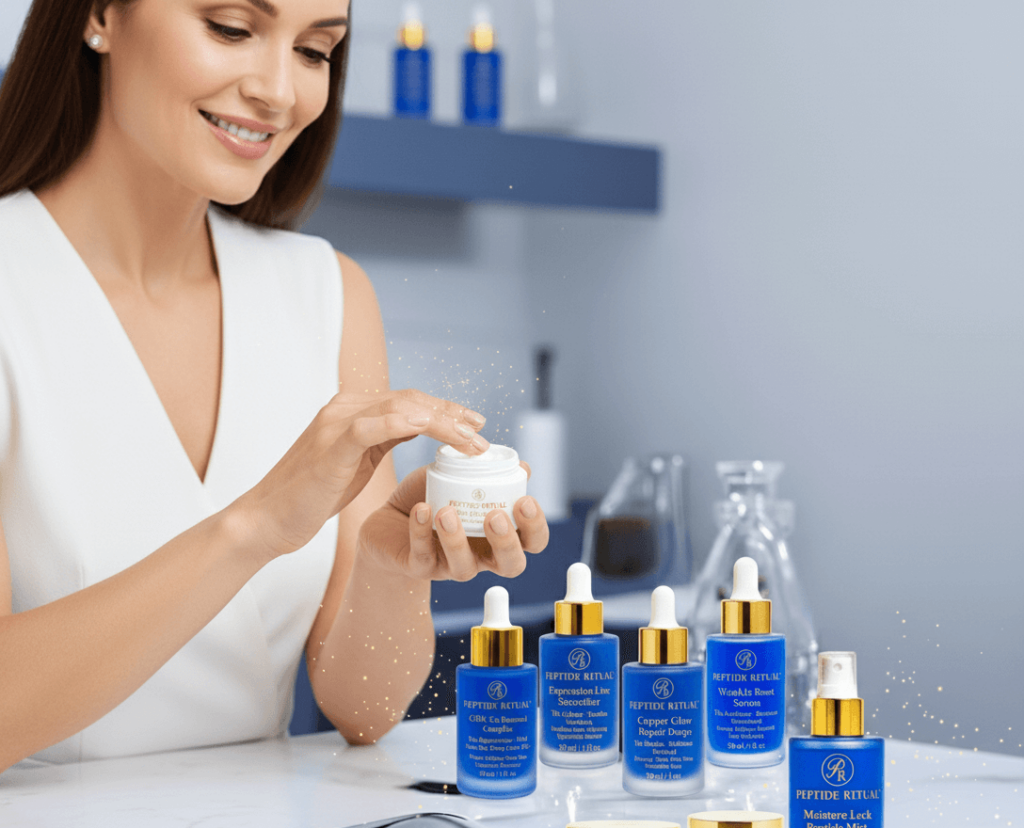
Collagen induction begins when specific peptides interact with fibroblast cells. These cells act as the primary engines for structural protein production in skin tissue. Peptide Ritual offers high purity ligands to help researchers explore these regenerative pathways accurately.
Most research focus centers on the “feedback loop” mechanism. When collagen breaks down, it naturally releases small peptide fragments. These fragments signal the fibroblasts to produce fresh proteins to maintain the tissue. Consequently, synthetic peptides mimic this natural process to stimulate new growth in a controlled environment.
Furthermore, the induction process requires specific cofactors to succeed. Researchers often study how peptides work alongside minerals like copper or specific vitamin derivatives. These combinations can accelerate the rate of protein assembly. In addition, the presence of these peptides can downregulate matrix metalloproteinases (MMPs). These enzymes typically degrade collagen, so inhibiting them preserves the existing structural matrix.
Moreover, scientists analyze the specific types of collagen produced during induction. Type I collagen provides strength, while Type III offers flexibility. Researchers track the ratio between these two proteins to evaluate the quality of the newly synthesized tissue. However, the concentration of the peptide significantly affects these results.
Scientists must perform titration assays to find the optimal dose for maximal protein expression. Thus, using reliable samples from Peptide Ritual ensures that the observed induction stems from the peptide itself rather than laboratory contaminants. Accurate induction data allows for the development of more effective research protocols.
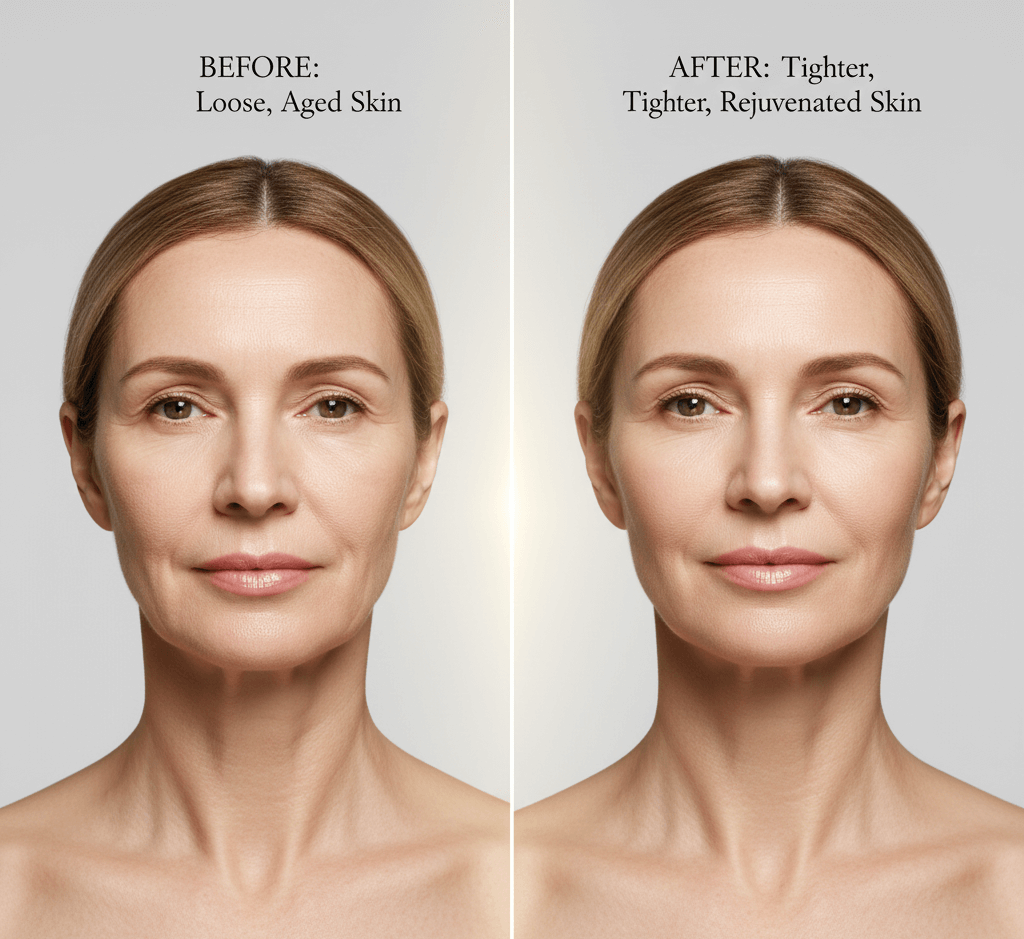
Researchers utilize various models to test the efficacy of collagen stimulating sequences. These models range from simple cell cultures to complex 3D tissue reconstructions. Peptide Ritual provides the standardized materials necessary to maintain consistency across these different experimental platforms.
In 2D cell cultures, scientists measure how peptides influence fibroblast proliferation. Consequently, they can observe immediate changes in gene expression and protein secretion. Furthermore, these models allow for rapid screening of multiple peptide concentrations.
However, 3D skin equivalents offer a more realistic environment for observation. These models mimic the physical structure and tension of living tissue. In addition, researchers use these models to study how peptides penetrate the various layers of the extracellular matrix. This data is crucial for understanding the potential distribution of the compound.
Moreover, the choice of model dictates the precision of the results. Advanced models help identify if a peptide specifically targets Type I or Type III collagen. Thus, using high quality samples from Peptide Ritual prevents experimental noise and ensures that the impact on the research model is clearly quantifiable.
Peptide stability remains a significant hurdle in laboratory research. These molecules are inherently sensitive to environmental factors like temperature, pH levels, and light. Peptide Ritual provides lyophilized compounds that offer a stable starting point for every study.
Temperature fluctuations often lead to the denaturation of delicate amino acid chains. Consequently, researchers must maintain a strict cold chain during storage and handling. Furthermore, moisture can trigger hydrolysis, which breaks the peptide bonds and renders the sample useless.
In addition, the choice of buffer influences the longevity of the peptide in solution. Scientists often prefer sterile, oxygen free environments to prevent oxidation. Moreover, adding protease inhibitors to the medium helps protect the peptide from enzymatic breakdown during long term incubation.
However, stability also depends on the specific chemical modifications of the peptide. Some research sequences include “capping” at the ends to resist degradation. Thus, sourcing from Peptide Ritual ensures you receive peptides designed for maximum durability in various experimental conditions.
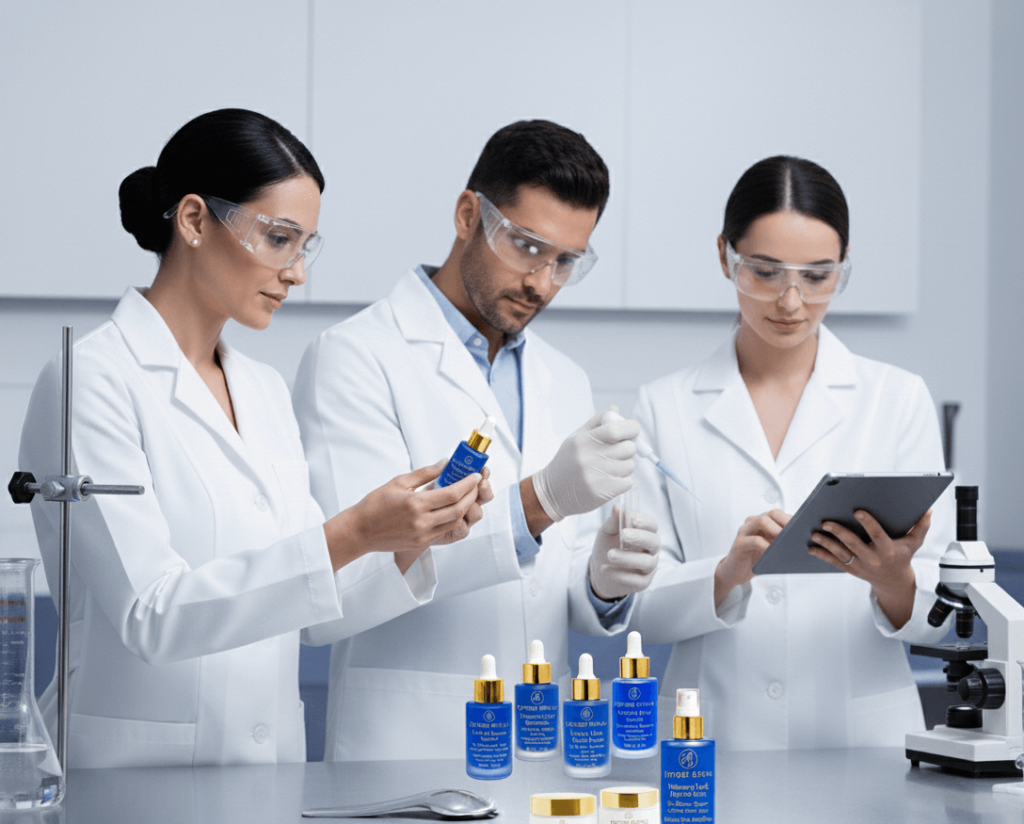
High purity is the cornerstone of reliable scientific data. In peptide research, even minor impurities can cause significant deviations in experimental outcomes. Peptide Ritual ensures that every batch meets rigorous analytical standards to protect the integrity of your work.
Researchers primarily use High Performance Liquid Chromatography (HPLC) to determine purity levels. Consequently, this process separates the target peptide from any truncated sequences or residual chemicals. Furthermore, Mass Spectrometry (MS) confirms the exact molecular weight of the compound.
In addition, the presence of residual trifluoroacetic acid (TFA) or salts can affect cell viability in culture. Scientists must know the exact composition of their samples to prevent unintended toxicity. Moreover, high quality peptides often lead to positive results in signaling assays.
However, sourcing 98% or 99% pure peptides minimizes variables. Thus, Peptide Ritual provides the transparent documentation necessary for researchers to validate their findings. Using verified standards allows for a clear focus on the biological mechanisms of collagen synthesis.
The success of a peptide study often depends on the initial reconstitution step. Because peptides vary in their chemical properties, one solvent does not fit all. Peptide Ritual recommends a systematic approach to ensure complete dissolution without damaging the molecule.
Water soluble peptides dissolve easily in sterile, deionized water or physiological buffers. Consequently, these solutions are ideal for immediate use in biological assays. Furthermore, researchers must check the net charge of the peptide to predict its solubility in acidic or basic environments.
In addition, hydrophobic peptides may require a small amount of organic solvent, such as DMSO or acetonitrile. Scientists usually dissolve the peptide in a concentrated organic form first and then dilute it with a buffer. Moreover, this technique prevents the peptide from “crashing out” or forming aggregates in the final medium.
However, improper solvent choice can lead to immediate degradation. Thus, always perform a small scale solubility test before committing the entire sample. Peptide Ritual provides instructions on the specific solubility profiles of our research sequences to streamline your laboratory workflow.
Scientific accuracy depends entirely on the quality of your research materials. Peptide Ritual provides the ultra pure compounds necessary for precise collagen synthesis tracking. Furthermore, we utilize advanced filtration to remove residual solvents and impurities.
Inferior samples often lead to inconsistent results in fibroblast cultures. However, our rigorous batch testing ensures every vial meets strict laboratory standards. Moreover, we offer fast, secure shipping to maintain the cold chain for sensitive sequences. Thus, researchers can trust the stability and potency of every order.
Q: How do peptides trigger collagen production in a lab setting?
Peptides act as synthetic messengers that bind to cell receptors. Consequently, they signal fibroblasts to increase the expression of structural proteins. This process mimics the natural repair cycle of the skin.
Q: Which solvent should I use for hydrophobic peptides?
Hydrophobic sequences often require an organic solvent like DMSO for initial dissolution. In addition, you should slowly dilute this mixture into a sterile buffer. This method prevents the peptide from clumping or “crashing out” of the solution.
Q: Do these research peptides work on all skin tissue models?
Most peptides show activity in both 2D fibroblast cultures and 3D skin reconstructions. Nevertheless, the rate of penetration varies based on the complexity of the model. Therefore, researchers must choose the model that best fits their specific study goals.
Q: How does Peptide Ritual ensure the stability of shipped orders?
We ship our peptides in lyophilized (freeze dried) form to maximize shelf life. Furthermore, we use secure packaging to protect the vials from light and temperature shifts. This ensures the product arrives ready for immediate laboratory use.
Peptides represent a transformative tool in dermatological research. Their ability to influence collagen synthesis offers a clear path toward understanding tissue regeneration. Peptide Ritual remains committed to supporting this journey by providing the highest quality research compounds available.
Signal peptides communicate with fibroblasts. Consequently, we identified the mechanisms that drive structural protein production. Furthermore, we highlighted the critical importance of purity and stability in achieving reproducible laboratory results.
In addition, the choice of model and solvent directly impacts the success of your study. Researchers must utilize precise protocols to unlock the full potential of these molecules. Moreover, using verified materials prevents the experimental errors that plague low quality samples.
Ultimately, the study of peptides continues to evolve with new synthetic sequences and delivery methods. Thus, staying informed on best practices is essential for any modern scientist. Trust Peptide Ritual to be your partner in exploring the next frontier of biochemical skin research.
Elevate your laboratory standards with the highest quality research tools. Peptide Ritual provides the consistency and purity your studies deserve. Furthermore, we support your ongoing research with cost effective shipping solutions.
Receive complimentary shipping on all orders over $200. Consequently, you can focus your budget on the sequences that drive your discoveries. Thus, start your next project with the reliability of our premium peptides.
Peptide Ritual, Collagen synthesis research
Signal peptides for skin, Research peptides
Discover how peptides target “zombie cells” in skin research. Peptide
Explore how research peptides trigger collagen synthesis. Peptide Ritual provides
Analyze how GHK-Cu Overnight Mask™ functions to deliver copper peptides
Examine how Eye Lift Cream™ functions at a molecular level
Revitalize tired skin with Copper Glow Drops. Use GHK-Cu to
Explore the complete science of the GHK-Cu Renewal Complex. Discover
Ultimate Guide to Expression Line Smoother™ reveals the science, key
Discover the power of Wrinkle Reset Serum. Reduce fine lines,
Boost collagen and restore your glow with our Peptide Ritual
Get glowing skin, learn how peptides boost collagen, smooth wrinkles,
Join our community for exclusive offers, early access, and peptide insights.